
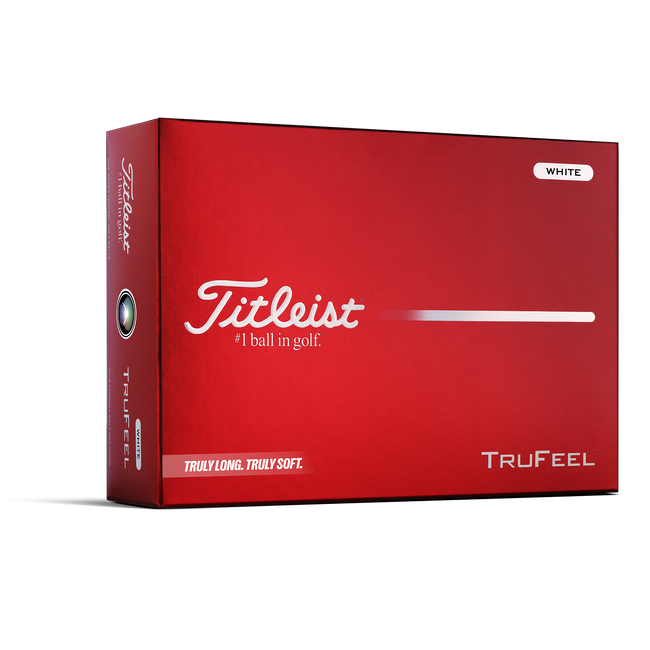
Urethane and ionomer are the two cover families golfers most often compare when choosing a golf ball. Urethane covers generally offer more short-game friction and a softer, more responsive feel, while ionomer covers usually emphasize durability, speed, and value. Neither material is automatically better. The right choice depends on where a golfer loses shots, how consistently the ball is struck, and whether greenside control is worth the added cost.
Urethane vs ionomer at a glance
| Factor | Urethane cover | Ionomer cover |
|---|---|---|
| Greenside response | Typically higher friction and more check | Typically releases more after landing |
| Feel | Often softer or more responsive | Often firmer, though soft models exist |
| Durability | More vulnerable to visible scuffs and cuts | Generally more resistant to abrasion |
| Price | Usually premium | Usually value to mid-price |
| Best fit | Players who use trajectory and spin around greens | Players prioritizing value, durability, and simple performance |
What a golf-ball cover actually changes
The cover is the outer layer that contacts the clubface. Its material, thickness, dimple pattern, and interaction with the mantle layers affect launch, spin, speed, feel, and aerodynamics. Cover material alone does not define the whole ball. A multi-layer ionomer ball can behave differently from a basic two-piece distance ball, and two urethane balls can produce noticeably different flight and feel.
That distinction matters when reading packaging. “Urethane” is not a complete performance specification, just as “soft” does not reveal compression, construction, or spin separation. Compare complete models and judge results by shot type.
Urethane golf balls: strengths and trade-offs
Urethane is an elastic polymer used on many tour-style and premium golf balls. On partial wedge shots, the softer cover can interact with the grooves and face texture to create useful friction. That can help a well-struck shot launch lower with more spin or stop sooner after landing.
The practical benefit is choice. A player may hit a low checking pitch, a controlled bunker shot, or a flighted wedge with greater confidence. Urethane also tends to communicate strike differences clearly, which some golfers describe as responsive feel.
The trade-offs are price and durability. Cart paths, trees, sharp groove edges, and bunker wear can mark a thin premium cover. A cosmetic scuff does not always make the ball unusable, but a deep cut or altered surface can affect flight and should prompt replacement. Paying premium prices provides little value if most balls are lost before short-game performance matters.
Ionomer golf balls: strengths and trade-offs
Ionomer is a durable thermoplastic cover material used across many distance and value balls. “Surlyn” is a well-known brand of ionomer, but not every ionomer cover uses the same formulation. Manufacturers can tune thickness and hardness to produce anything from firm distance-oriented feedback to a noticeably softer feel.
Ionomer covers resist abrasion well and often cost less. They suit beginners, high-handicap golfers, practice rounds, and courses where lost balls are common. Many ionomer models are designed to keep long-game spin manageable while maintaining ball speed, which can produce a stable, efficient flight for players who do not need maximum greenside grab.
The main compromise appears on short, low-speed shots. A basic ionomer ball may release farther after landing, so the golfer must plan for rollout. That is not necessarily a disadvantage: predictable release can be easier to use than attempting a high-spin shot without consistent contact.
Does urethane always spin more?
Urethane typically has its clearest advantage on partial wedges, pitches, and chips. With a driver, the ball’s core and mantle design do much of the work. A modern urethane ball can be engineered for relatively low driver spin while retaining higher short-game spin—a separation that is difficult to infer from cover material alone.
Strike quality can overwhelm the material difference. Grass or moisture between ball and face reduces friction. A worn wedge, glancing contact, or a shot struck high on the face may not produce the expected check. Golfers should test from realistic lies rather than assuming a premium cover fixes poor contact.
Who should play a urethane ball?
- Golfers who consistently make clean contact on pitches and chips.
- Players who use multiple trajectories and need the ball to stop near its landing point.
- Golfers playing firm, fast greens where rollout is difficult to manage.
- Players whose scoring data shows missed opportunities inside 100 yards.
- Golfers willing to pay more and replace damaged balls when necessary.
Handicap alone should not decide the answer. A higher-handicap golfer with a capable short game may benefit from urethane, while a low-handicap golfer practicing on a ball-loss-heavy course may prefer an ionomer training ball.
Who should play an ionomer ball?
- New golfers who lose balls frequently.
- Players who value durability and cost per round.
- Golfers who prefer a simple bump-and-run short game.
- Cold-weather or practice-round players who do not need maximum greenside response.
- Anyone who performs equally well with both covers in an on-course test.
Our golf balls for high handicappers guide explains why consistency and value often matter more than buying the most expensive construction.
How swing speed affects the decision
Swing speed is useful, but it does not assign a cover material. Players at many speeds can compress modern balls sufficiently to play them. The better question is whether a ball produces the launch, spin, peak height, descent, and short-game response the player needs.
A slower player may benefit from a urethane ball if stopping power is the priority. A faster player may choose ionomer for durability or lower cost. When our golf-ball compression guide is published, use it as a starting framework—not a rule that replaces testing.
Feel is not the same as cover material
Golfers often call urethane soft and ionomer hard, but total construction matters. Core compression, cover thickness, mantle stiffness, temperature, and impact speed all influence feel. A low-compression ionomer ball may feel softer than a firm tour urethane model on a putt.
Sound also shapes perception. A higher-pitched impact may be described as firm even when measured deformation is not extreme. Test with the putter and wedges you use rather than relying only on package language.
A practical on-course comparison
- Select one urethane and one ionomer model with broadly similar long-game intent.
- Begin on the putting green. Compare distance control rather than choosing only by softness.
- Hit chips to the same landing spot. Measure rollout and note which result is easier to predict.
- Test 30-to-70-yard wedges. Observe launch, carry, first bounce, and stopping distance.
- Play several holes with each ball. Compare tee-shot dispersion, iron carry, and performance from rough.
- Inspect durability. Record meaningful cuts or scuffs and estimate cost per usable round.
Use the same ball model for enough shots to reduce noise. Alternating after every swing can encourage judgments based on one strike. Our soft versus firm golf-ball test provides another structured comparison.
Cost per round matters more than price per dozen
A premium dozen can be economical for a golfer who rarely loses or damages a ball. A cheaper ball may be the sensible performance choice for a player who loses three per round. Calculate the number of holes or rounds a ball stays in play, not just shelf price.
Used premium balls can lower cost, but condition and source matter. Refinished balls may have altered covers or markings, and water exposure creates uncertainty. For a controlled test, use new balls from a reliable seller so condition does not confuse the result.
Buying mistakes to avoid
- Assuming every urethane model produces the same spin and flight.
- Rejecting ionomer because an older distance ball felt hard.
- Choosing entirely by driver distance while ignoring approach and short-game results.
- Changing ball models every round, making distance and rollout difficult to learn.
- Paying for greenside spin without testing whether your strike can use it.
Frequently asked questions
Is urethane worth it for a high-handicap golfer?
It can be if the golfer keeps the ball in play and benefits from extra short-game control. If lost-ball cost is high or contact varies widely, a consistent ionomer model may provide better value.
Does ionomer go farther than urethane?
Not automatically. Distance depends on the complete construction and the player’s launch conditions. Many ionomer balls are distance-oriented, but modern urethane balls can also be fast and low-spinning off the driver.
Which cover lasts longer?
Ionomer is generally more abrasion-resistant. Actual life depends on trees, paths, sand, groove condition, and whether surface damage is deep enough to influence flight.
Can beginners use tour golf balls?
Yes, but “can” and “should buy” are different. Beginners should compare scoring benefit with replacement cost and may learn faster by using one affordable model consistently.
Is Surlyn the same as ionomer?
Surlyn is a branded ionomer material. The term ionomer covers a broader family of formulations used in golf-ball covers and mantle layers.
Bottom line
Urethane is the stronger starting choice when short-game control and shot variety justify premium cost. Ionomer is the practical choice when durability, value, and predictable release matter more. Test both from the green backward, keep long-game fit in view, and select the ball that lowers scores per dollar—not the material with the most prestigious label.
Affiliate disclosure: Golf Buying Guide may earn a commission from qualifying purchases made through links on this site, at no additional cost to you. Recommendations are based on fit, intended use, and trade-offs rather than commission.

Leave a Reply