
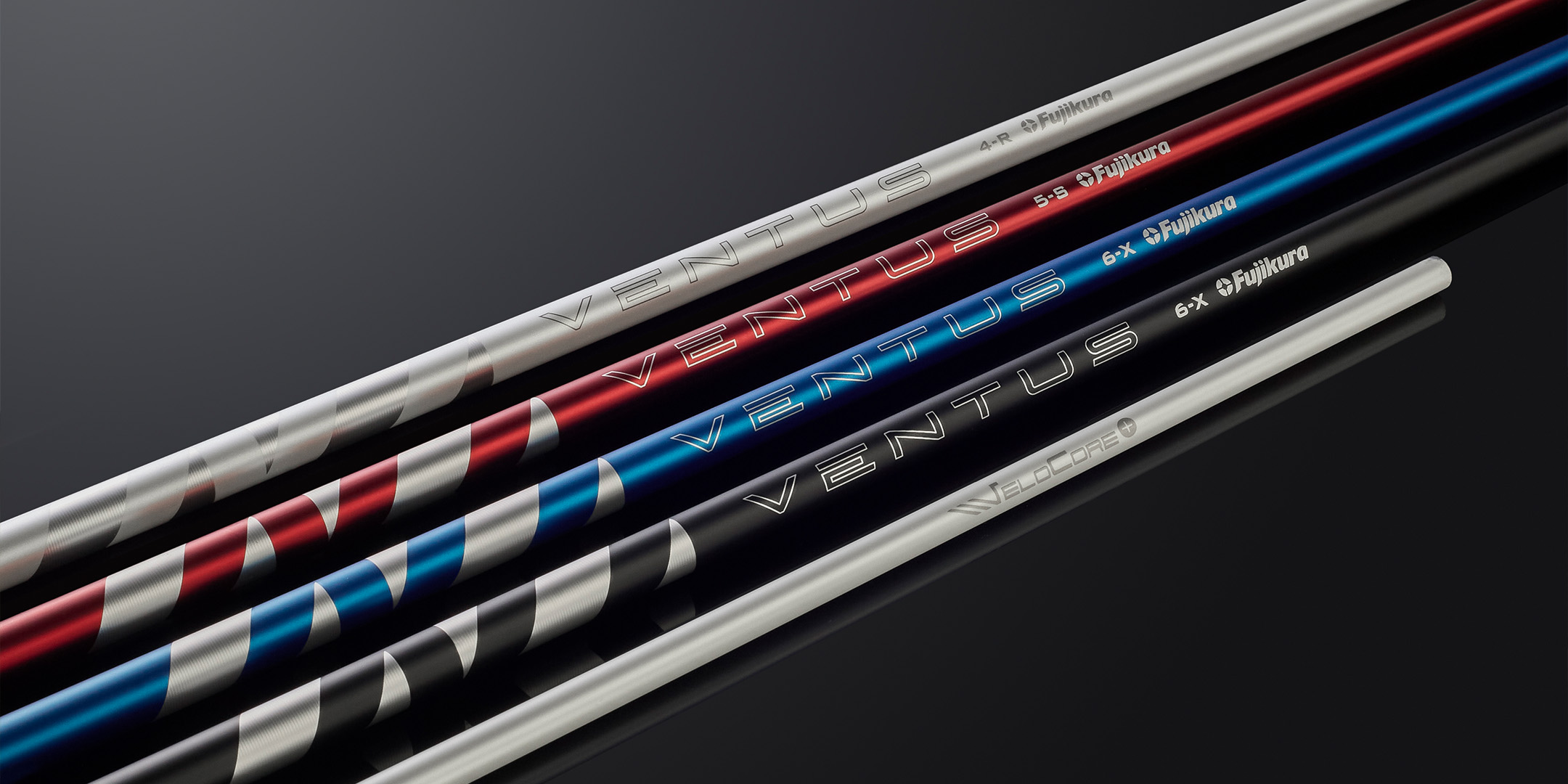
Total weight and swing weight describe different parts of how a golf club feels. Total weight is the mass of the complete club. Swing weight is a balance measurement that estimates how heavy the clubhead feels relative to the grip end around a standardized fulcrum. A club can be light overall but feel head-heavy, or heavy overall but feel balanced toward the hands.
Swing weight vs total weight at a glance
| Measurement | What it describes | What changes it most | What it does not prove |
|---|---|---|---|
| Total weight | Mass of the complete club | Head, shaft, grip and added weights | Where that mass is distributed |
| Swing weight | Balance relationship and perceived head presence | Club length, head mass, grip mass and balance point | Actual mass, shaft flex or performance quality |
| MOI matching | Resistance to angular acceleration for the whole club | Mass distribution and length | A universal best feel for every golfer |
What total club weight means
Total weight is measured on a scale, usually in grams. It includes the head, shaft, grip, adapter, ferrule, tape, epoxy and any internal or external weights. Two drivers using the same head can differ substantially if one has a light shaft and grip while the other uses heavier components.
Total weight affects how much effort is required to start, stop and control the club. A lighter build may help some golfers generate speed or reduce fatigue. A heavier build may improve awareness and stability for players who become quick in transition. Neither result is guaranteed; golfers respond to mass differently.
What swing weight means
Swing weight is traditionally expressed on a scale such as C9, D0 or D3. Each step is called a swing-weight point. The value comes from balancing the club on a swing-weight scale at a fixed fulcrum distance. It is not a unit of mass, and D2 is not inherently better than C9 or D5.
The scale is most useful when comparing similar clubs or checking consistency through a set. Comparing a short iron and a long driver by the same letter-number can be misleading because length, motion and intended use differ. A player’s preferred value can also change when shaft weight, grip size or club length changes.
How component changes affect the build
| Change | Typical swing-weight direction | Total-weight direction | Important caution |
|---|---|---|---|
| Add head mass | Higher / more head-heavy | Higher | Can alter shaft response and launch |
| Remove head mass | Lower | Lower | May reduce head awareness |
| Lengthen club | Higher, often noticeably | Slightly higher | Changes lie, strike and control |
| Shorten club | Lower | Slightly lower | May require head-weight adjustment |
| Install heavier grip | Lower reading | Higher | Counterbalancing does not remove head mass |
| Install lighter grip | Higher reading | Lower | Feel change may exceed performance change |
Rules of thumb are estimates, not build instructions. Component balance points and actual tolerances matter. Always measure the completed club rather than relying only on catalog weights.
Why club length has an outsized effect
Moving the head farther from the fulcrum increases its leverage, so even a modest length change can move the swing-weight reading substantially. This is why cutting a driver shorter often makes the head feel lighter even though only a few grams were removed from the shaft and grip.
Adding head weight may restore feel, but it can also change delivered loft, shaft deflection and strike. The player may not need the original swing weight after moving to a shorter length. Fit length for contact and control first, then tune head feel around the new build.
Shaft weight is not swing weight
Shaft weight contributes to total mass, while shaft balance point influences where that mass is felt. Two shafts with the same listed weight can create different swing-weight readings in the same head and length. A counterbalanced shaft places relatively more mass toward the grip end and can leave room for a heavier head without producing an extreme reading.
Shaft labels are also nominal. Raw weight, cut weight and model tolerances differ. Our driver shaft buying guide explains how weight should be considered alongside flex, torque, length and fit rather than used alone.
Grip changes can confuse the comparison
A heavier grip lowers the measured swing weight because it adds mass behind the fulcrum. The clubhead itself has not become lighter, so the golfer’s experience may not match the scale change exactly. Some players feel less head presence; others mainly notice the thicker or heavier grip.
When comparing clubs, use the grip size and model you intend to play. Building around a temporary lightweight grip to reach a target number can produce the wrong final feel once the preferred grip is installed.
How weight can influence the swing
A club that is too light for a particular golfer may be difficult to sense during transition, encouraging tempo or strike variability. A club that is too heavy may reduce speed, increase fatigue or make late-round delivery less consistent. Too much perceived head weight can cause some players to release early; too little can make others search for the head.
These are tendencies, not diagnoses. A fitter should observe club speed, strike location, face delivery and dispersion across multiple swings. Subjective ratings—such as easy to track, hard to start, tiring, stable or vague—are useful when combined with data.
Who may benefit from a lighter build?
- Golfers whose speed or carry falls because the current club is difficult to accelerate.
- Players managing fatigue, strength or mobility limitations.
- Golfers who maintain centered contact and tempo as mass decreases.
- Players moving to a longer club who need to prevent total weight from becoming excessive.
Lighter is not automatically easier. If strike pattern widens or transition becomes rushed, a modestly heavier or differently balanced build may perform better.
Who may benefit from a heavier build?
- Strong or fast-transition players who lose awareness with very light clubs.
- Golfers whose strike improves when the club provides clearer positional feedback.
- Players seeking stability without increasing club length.
- Golfers whose tempo becomes smoother with additional mass.
Added mass must earn its place through better dispersion or contact. A heavier club that feels impressive for five swings but becomes tiring over 18 holes is not a successful fit.
A practical fitting protocol
- Measure the current club. Record playing length, total weight, swing weight, shaft, grip and head settings.
- Establish a baseline. Hit enough normal shots to record speed, carry, strike and dispersion.
- Change one variable. Compare nearby total-weight or head-weight options while keeping length and loft consistent.
- Use representative swings. Do not select a build from the fastest swing or one centered strike.
- Rate feel without seeing every number. This reduces the temptation to prefer a familiar specification.
- Test late-session performance. Fatigue can reveal whether the club is too demanding.
- Verify the finished club. Component tolerances can move the final build away from the fitting sample.
Use our club-fitting measurements guide to organize the other specifications that should be checked with weight and balance.
Building an iron set: matched or progressive?
Many iron sets target a consistent swing-weight progression. Some builders instead match moment of inertia, which may produce different swing-weight numbers as club length changes. Others use ascending shaft weight or slightly different balance through the set.
The best method is the one that produces predictable effort, strike and distance throughout the set. Test a long, middle and short iron rather than assuming a single demo iron represents every club. Our graphite iron shaft guide provides additional context for choosing iron shaft weight.
Common adjustment options
Qualified builders can tune head mass with interchangeable weights, lead tape, tip weights or hot melt where appropriate. Grip mass and shaft selection can change balance, while length changes have a larger structural effect. Each method has trade-offs involving permanence, sound, shaft behavior, resale and warranty.
Lead tape is useful for testing because it is reversible. Add small amounts, note strike and feel, and remove it if performance does not improve. Keep tape secure and follow handling guidance. Once a useful range is identified, a builder can recommend a cleaner permanent solution.
Buying mistakes to avoid
- Ordering every club to a favorite swing-weight number without testing the new length and components.
- Assuming a lighter shaft always creates a lighter-feeling head.
- Counterbalancing only to make the scale show a target.
- Restoring the old swing weight automatically after shortening a driver.
- Ignoring total weight, fatigue and strike while focusing on one balance number.
- Comparing catalog specifications measured with different methods or components.
Frequently asked questions
What is a good swing weight for a driver?
There is no universal best number. Common retail builds occupy a familiar range, but length, shaft balance, grip and player response determine the useful target. Test nearby settings.
Does a higher swing weight increase distance?
Not automatically. It may improve strike or timing for one player and reduce speed or control for another. Distance gains must be verified with carry and dispersion.
Can I measure swing weight at home?
A purpose-built scale is the most direct method. Calculators based on total weight and balance point can estimate it, but exact playing length and measurement technique are essential.
Will a heavier grip make the club easier to swing?
It lowers the swing-weight reading but raises total weight. Some golfers prefer the counterbalanced feel; others do not. The scale change alone cannot predict effort or performance.
Should wedges have a higher swing weight than irons?
Some golfers prefer more head awareness in wedges, especially on partial shots, but the correct progression depends on length, shaft, technique and set design.
Bottom line
Total weight tells you how much club must be moved; swing weight describes its balance and relative head feel. Fit length and strike first, then test total mass and head presence together. Use the scale to reproduce a proven build—not to decide what the player should like before hitting it.
Affiliate disclosure: Golf Buying Guide may earn a commission from qualifying purchases made through links on this site, at no additional cost to you. Recommendations are based on fit, intended use and trade-offs rather than commission.

Leave a Reply