
As an Amazon Associate I earn from qualifying purchases.
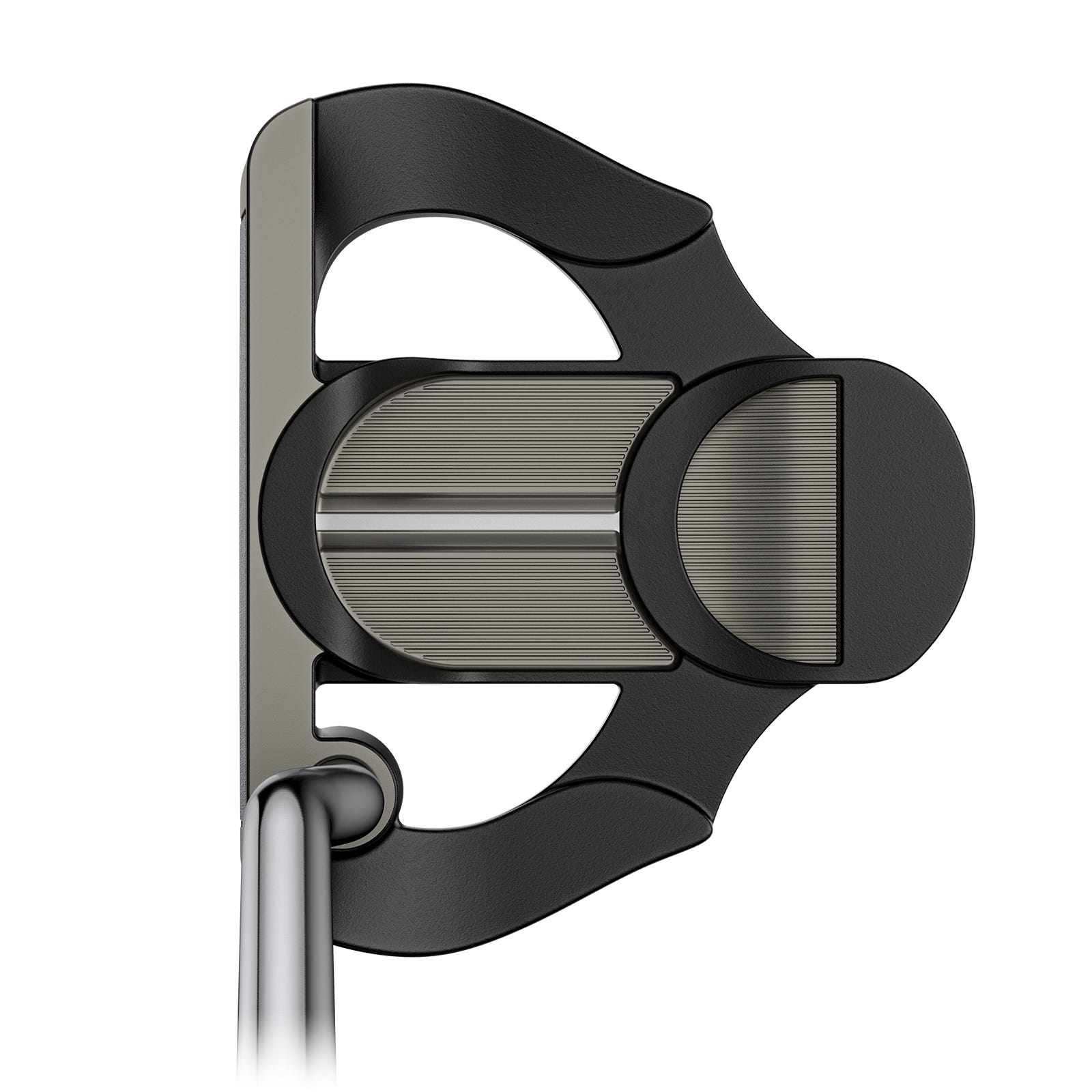
This shortlist compares three shapes in the PING Scottsdale family: the larger Craz-E, the smaller DS72 mid-mallet and the fork-shaped Prime Tyne 4. These are research-based fitting options, not a hands-on ranking across every brand.
These are fit-based picks, with specs from the makers. A putter can look square and still start the ball left for you. Roll short putts through a narrow gate and hit a few lags before buying.
Compare three mallet putters
| Model | Published fit or balance | Standard length on cited listing | Stated loft | What to try |
|---|---|---|---|---|
| PING Scottsdale Craz-E | PING recommends it for a straight stroke | 35 in | 3° standard | Larger head and strong visual alignment |
| PING Scottsdale DS72 | PING recommends it for a straight stroke | 35 in | 3° standard | A smaller mid-mallet alignment picture |
| PING Scottsdale Prime Tyne 4 | PING recommends it for a strong arc | 35 in | 3° standard | Fork shape and different hosel feel |
Those are stock listings. Check handedness, hosel and finished length before ordering. The Prime Tyne 4 is the strong-arc option in this comparison; Craz-E and DS72 are classified for a straight stroke.
PING Scottsdale Craz-E — For a larger alignment picture

Try this one if you tend to lose track of where the putter points at address. The large mallet gives you more shape to see behind the ball, and PING uses a one-piece PEBAX face insert in the Scottsdale line. Set the head behind a short putt and see whether your first impression of square agrees with the actual start line.
Then move to a lag putt. The larger shape may feel reassuring from five feet and still take time to judge from thirty. Compare how far a normal stroke sends the ball before deciding that the head is right for you.
Pros: Large alignment picture and a distinct insert feel. PING’s straight-stroke classification gives you a starting point for fitting.
Trade-offs: The shape may distract a golfer who likes to see less head at address. The standard 35-inch listing won’t fit every setup.
PING Scottsdale DS72 — For a smaller mid-mallet shape

The DS72 is a useful comparison when the Craz-E looks too large behind the ball. PING classifies it as a mid-mallet for a straight stroke, with a double-bend hosel, a 360-gram head and a 35-inch standard length. Its ball-width cavity provides a different alignment picture from the other two heads.
Use the same ball and putting line for the first comparison. Check whether you can aim the smaller shape without adjusting your stance. Then roll longer putts to see whether the change in head feel affects pace. A more compact view is useful only if it gives you a setup and start line you can repeat.
Pros: A smaller shape within the same family makes it easier to compare head size while keeping the insert family similar.
Trade-offs: A 35-inch stock build still needs a fit check. The smaller profile may give less visual reassurance than a larger mallet.
PING Scottsdale Prime Tyne 4 — For a fork-shaped mallet

PING categorizes the Prime Tyne 4 for a strong-arc stroke. Its twin-fork shape gives you a different view at address from a larger rounded mallet. Start with it if a face-balanced option feels awkward to return square and you prefer a smaller alignment picture.
A stroke label narrows the comparison. It can’t tell you whether the ball will start on your chosen line. Test the Prime Tyne 4 alongside a straight-stroke option at the same length if possible. Then check pace with the ball you play.
Pros: A clearly different hosel and fitting category. Fork shape gives another way to frame the ball.
Trade-offs: It may feel too active for a golfer who prefers a face-balanced setup. Length and lie still need to work for your posture.
Test aim, start line and speed separately
Start on a straight putt
Pick a level putt and make a narrow start gate a short distance in front of the ball. Roll several with your own putter and then repeat with the demo. Note which side you hit when you miss the gate. A putter that starts more balls through the gate has given you something more useful than a single make.
Check where you aim before you adjust the stroke. Ask a fitter to help if your putter looks square to you but consistently points elsewhere. A line on the head can help some golfers and change the aim of others. Use what you see and what the ball does together.
Move to a distance where pace matters
Hit short, medium and long putts to an area around a target. Leave the same ball and target in place for both putters. If the first rolls well but the second leaves a better range of finishes, write down the distance and whether the putt was uphill or downhill.
A softer insert may change what you hear and feel. Try your own ball before deciding. A putter that feels good on a firm indoor surface may give different feedback on the greens you play most.
Get the build details before ordering
Write down length, loft, lie, grip and hosel. If you try a putter that sits flat and buy another length online, the setup you liked can change. Check whether the maker offers the exact build or whether a shop needs to adjust it.
The club fitting cost checklist explains when a measurement session can help. If you’re still deciding on head shape, see our mallet versus blade guide. The putting grip styles guide covers grip changes you can try while keeping the putter constant.
Check length and grip before ordering
A longer putter can change where you stand and where your hands sit. A shorter one may feel easier to aim and put more pressure on your back if you bend farther than usual. Try the same head at two lengths if you’re between sizes. See which one lets you stand comfortably and repeat your start line.
The grip can change how heavy the head feels and how easily you sense the face. Try the exact grip on the build you intend to buy. If a larger grip feels better but moves your aim, compare it at a fitting rather than judging by hand comfort alone.
Keep the short and long tests separate
Write down gate passes for the short putts and finish distance for the lags. A few makes can hide a speed problem. A long putt that finishes in a small area tells you something different from a short putt that starts online. Choose a head that gives you both results often enough to matter.
If the putters finish close, compare what you see over the ball and how the face feels with your usual ball. A clear view can make it easier to set up the same way on the course. If your current putter still wins both tests, keep it in play.
Verify the details when buying used
Ask for photos from address and of the shaft entry. Check whether the shaft was cut or extended and whether the grip was changed. A putter listed by its original length may have been altered. Include the cost of any adjustment or replacement grip when comparing a used build with a new one.
FAQ
What is the best mallet putter?
Try the Craz-E if you want a large alignment picture, the DS72 if you want a smaller straight-stroke option, or the Prime Tyne 4 if you want to test a stronger-arc option. The best fit is the one that helps you aim and judge pace on repeated putts.
Are top rated mallet putters better for beginners?
A mallet can give a beginner a clear target line and a shape that feels stable. Try it against a blade or a smaller mallet before buying. Aim and distance control matter more than the category.
Does a mallet have to be face-balanced?
No. Mallet heads come with different hosels and balances. Test the exact version you plan to buy.
Should I choose a putter by stroke type?
Use the stroke type as a starting point. Check where the face aims at address, where the ball starts and how well you control distance. Those results can point to a different fit than the label.

Leave a Reply