
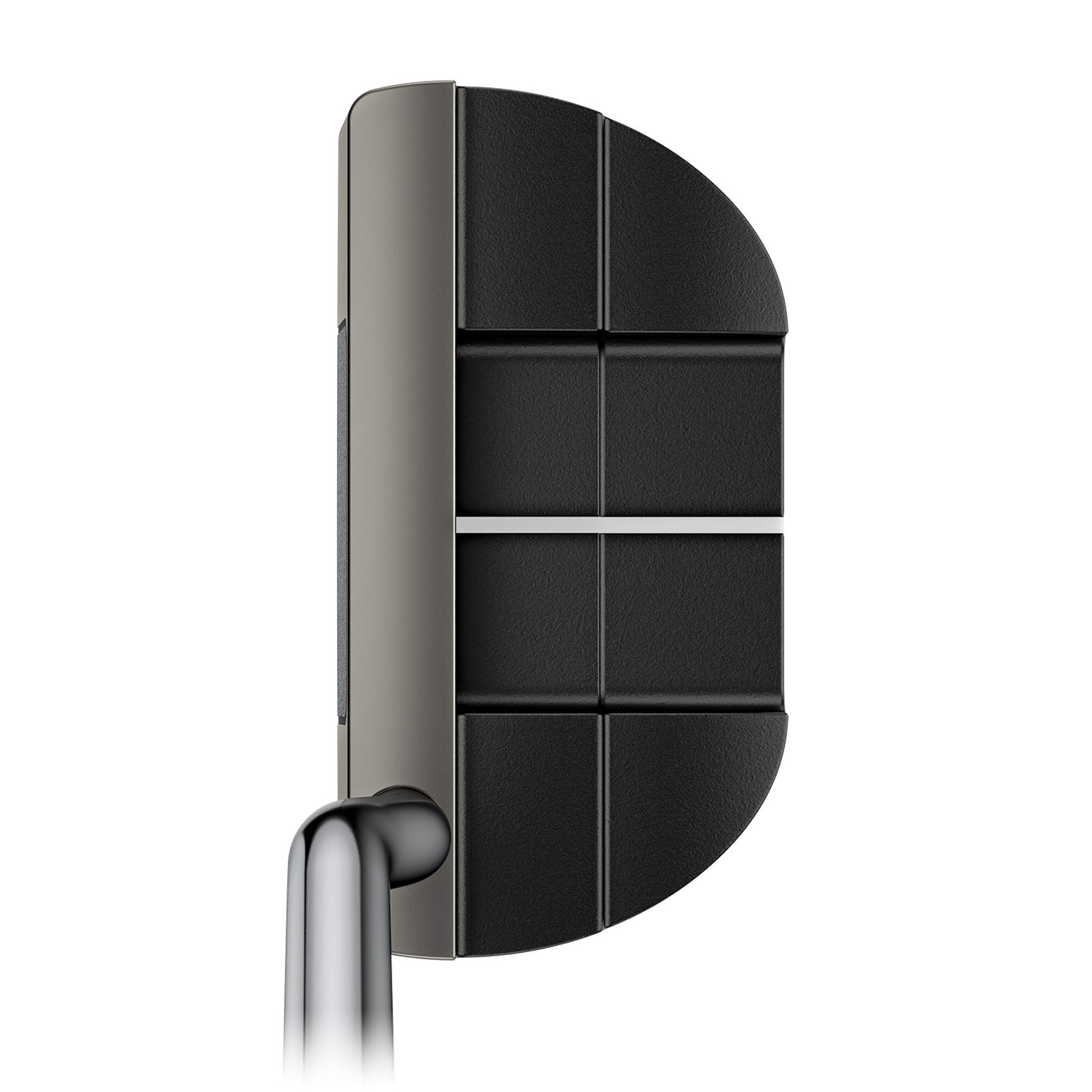
Are putter fittings worth it? Yes, if you have a repeatable start-line problem, struggle to aim your current putter, or plan to spend enough on a new one that you want to check the build first. Start with practice or a lesson if you rarely make the same stroke twice. A useful fitting gives you a measurable comparison and a written setup to take home.
What a putter fitting can show
The fitter can look at where you aim, what the face does at impact and how the ball starts. They may use a camera, a launch system or an instrument that measures the stroke. Ask which measurements will guide a change in the club and which are just observations.
Length and lie affect how you stand and how the sole sits. Loft can affect how the ball launches. The grip and hosel can change how the club feels when you return the face. Compare one variable at a time where possible, or write down which parts changed together.
A useful session starts with your current putter

Bring your putter and the ball you play. Tell the fitter what you see on real greens. For example, you might miss short putts to the right and leave uphill lags short. Those problems may need different tests. A head that starts the ball straighter on a short putt still has to give you enough feel on a long one.
Roll several putts with your own club before looking at the alternatives. Try the first candidate at a similar length and check where the ball starts. Then change length, lie or the grip if the setup feels cramped. Our best mallet putters gives you different shapes and hosels to compare. The mallet versus blade guide explains what else changes between those categories.
What a fitting costs and when to book
Ask for the fitting fee without a purchase, what the session includes and whether adjustments or the club itself cost extra. Compare the total before booking. Use the club fitting cost checklist if you’re collecting quotes.
A fitting is easier to justify if you have a problem you can reproduce. If the putter you own can be adjusted, ask whether a length or lie change solves it. If you’re shopping because your pace is poor on every surface, try some distance-control practice first. If you change your grip often, settle on one grip for the comparison. See the putting grip styles guide for common options.
What to take home
Ask for the putter name, hosel, length, loft, lie and grip. Save a note of what the original putter did and what improved. If you buy another build, ask whether the loft and lie were checked after assembly.
Run the same short-putt and long-putt tests after you get back to your course. Compare the first stretch of putts with a normal warm-up. See whether the change solves the shot you went in to improve.
FAQ
Is a putter fitting worth it if I already own a putter?
It can be if you want to find out why the club aims or sits poorly for you. Ask whether the fitter can measure and adjust your current club before buying another.
Are putter fittings worth it for beginners?
A short fit check can help with length and comfort. A full session makes more sense when you can repeat enough strokes to compare builds, or when you’re about to buy a putter and want clear specs.
Can a putter fitting fix my speed control?
It can help you find a build that gives you usable feedback. Practice across several distances and slopes is still part of learning pace. Ask to hit long putts in the session.
Does a fitting require a new putter?
No. You can use it to understand your current setup or decide whether a small adjustment would help. Confirm the fee and get the measurements before ordering a club.

Leave a Reply