
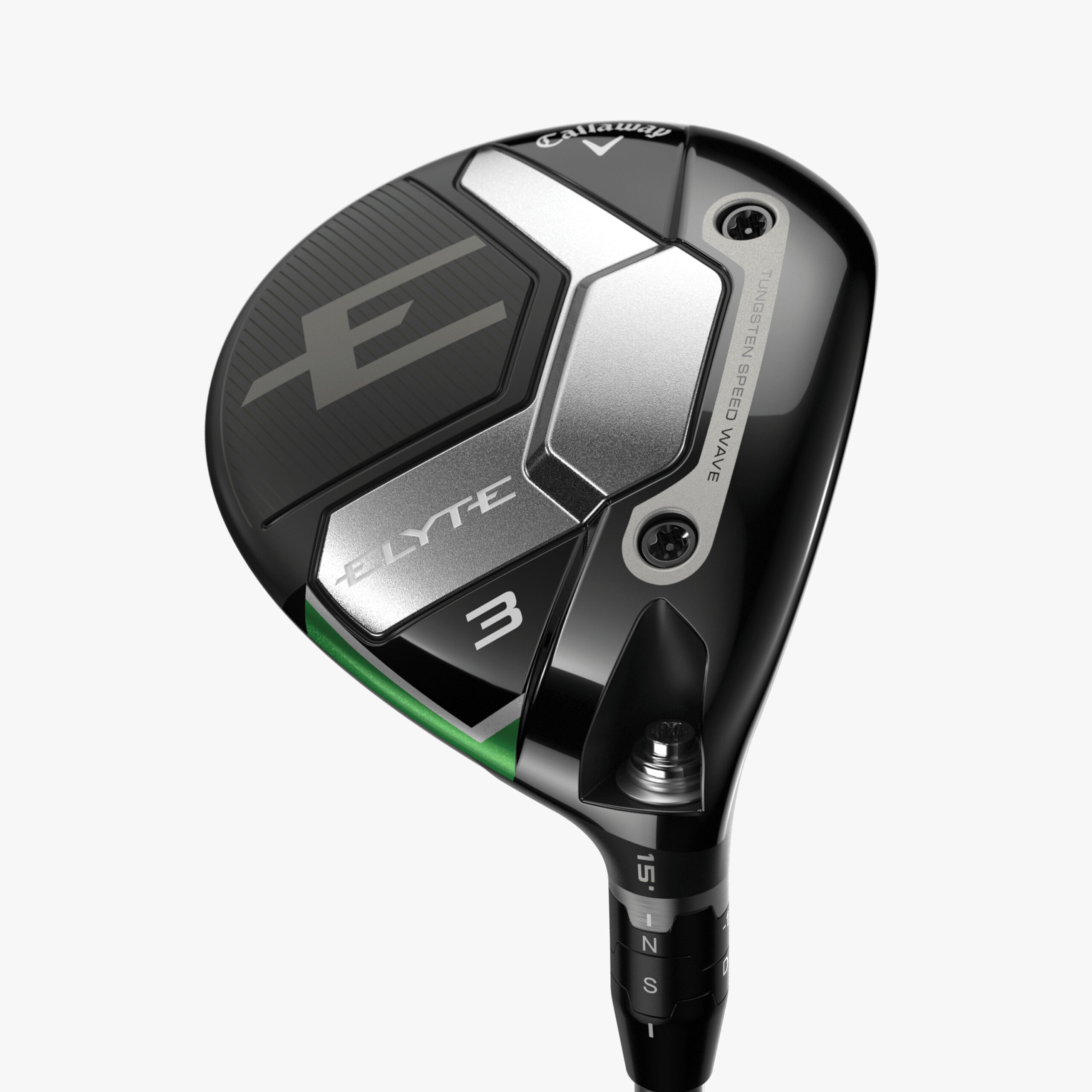
Quick answer: Heavenwood is a Callaway fairway-wood name usually associated with a higher loft paired with a longer fairway-wood build. Exact specifications vary by generation, so verify the head rather than relying on the nickname.
This what is a Heavenwood guide asks a narrower question: which evidence can a golfer verify before changing technique or equipment? For what is a Heavenwood, category labels are only a starting point; fit, observed results, conditions and ownership requirements decide whether the change is useful. Confirm current specifications or rules through the official reference linked below.
what is a Heavenwood: quick decision table
| Option | Best use | Verification |
|---|---|---|
| High-loft fairway role | Test this what is a Heavenwood route against the current baseline, realistic conditions and complete ownership burden. | |
| Hybrid alternative | Test this what is a Heavenwood route against the current baseline, realistic conditions and complete ownership burden. | |
| Long-iron replacement | Test this what is a Heavenwood route against the current baseline, realistic conditions and complete ownership burden. |
The six decisions that matter
Model Year
Evaluate model year against your current setup and normal conditions. For what is a Heavenwood, write down the starting pattern before altering this factor. Change only this variable, retain ordinary misses, and decide from several attempts. Count any new gapping issue, setup delay, discomfort or maintenance requirement as part of the what is a Heavenwood result.
Loft
Evaluate loft against your current setup and normal conditions. For what is a Heavenwood, write down the starting pattern before altering this factor. Change only this variable, retain ordinary misses, and decide from several attempts. Count any new gapping issue, setup delay, discomfort or maintenance requirement as part of the what is a Heavenwood result.
Shaft Length
Evaluate shaft length against your current setup and normal conditions. For what is a Heavenwood, write down the starting pattern before altering this factor. Change only this variable, retain ordinary misses, and decide from several attempts. Count any new gapping issue, setup delay, discomfort or maintenance requirement as part of the what is a Heavenwood result.
Head Volume
Evaluate head volume against your current setup and normal conditions. For what is a Heavenwood, write down the starting pattern before altering this factor. Change only this variable, retain ordinary misses, and decide from several attempts. Count any new gapping issue, setup delay, discomfort or maintenance requirement as part of the what is a Heavenwood result.
Carry Gap
Evaluate carry gap against your current setup and normal conditions. For what is a Heavenwood, write down the starting pattern before altering this factor. Change only this variable, retain ordinary misses, and decide from several attempts. Count any new gapping issue, setup delay, discomfort or maintenance requirement as part of the what is a Heavenwood result.
Used Condition
Evaluate used condition against your current setup and normal conditions. For what is a Heavenwood, write down the starting pattern before altering this factor. Change only this variable, retain ordinary misses, and decide from several attempts. Count any new gapping issue, setup delay, discomfort or maintenance requirement as part of the what is a Heavenwood result.
How to evaluate what is a Heavenwood
- Name the what is a Heavenwood problem: describe the shot, fit limitation, information gap or ownership task in one sentence.
- Capture today’s pattern: record the relevant carry, dispersion, dimensions, comfort, time or cost before making a change.
- Build a three-route shortlist: compare the simplest credible answer, a balanced route and one specialist what is a Heavenwood route.
- Hold the test steady: preserve ball, target, weather, settings and rest as far as practical.
- Keep normal misses: the what is a Heavenwood evidence includes poor contact, setup errors and difficult conditions.
- Price the usable solution: fitting, adapters, accessories, apps, maintenance, returns and resale belong in the total.
When a what is a Heavenwood change is justified
Act on what is a Heavenwood when the current arrangement produces a repeatable, documented limitation and the proposed change addresses that exact limitation. The result should remain useful on ordinary attempts, not only during a perfect fitting swing or ideal round. If several fundamentals are moving simultaneously, establish a stable what is a Heavenwood baseline before spending.
Handicap, age, gender, tour adoption and launch year cannot prescribe what is a Heavenwood. Delivery, strike, body dimensions, preference, course conditions and neighboring equipment are more specific. Pain or injury questions require an appropriately qualified professional; a buying guide is not a diagnosis.
Testing checklist
- Verify model year in the conditions where it will actually matter.
- Verify loft in the conditions where it will actually matter.
- Verify shaft length in the conditions where it will actually matter.
- Verify head volume in the conditions where it will actually matter.
- Verify carry gap in the conditions where it will actually matter.
- Verify used condition in the conditions where it will actually matter.
- Confirm size, hand, loft, version, included parts, warranty and return window.
- Repeat the comparison on a second day before a costly decision.
Common mistakes
- Treating a broad what is a Heavenwood label as a specification; record the exact model, configuration and consequence instead.
- Declaring what is a Heavenwood successful from one perfect attempt while discarding the normal pattern.
- Evaluating what is a Heavenwood in isolation without checking neighboring clubs, setup steps or course workflow.
- Quoting a what is a Heavenwood purchase price that excludes fitting, installation, accessories and ongoing costs.
- Copying a what is a Heavenwood solution from a golfer with different delivery, body dimensions or conditions.
- Delaying the realistic what is a Heavenwood test until the exchange or return protection has expired.
Buying what is a Heavenwood new or used
A used what is a Heavenwood option needs an exact identity, configuration and condition check. For clubs, inspect striking surfaces, crown or cavity, sole, ferrules, shaft, adapter and grip. For electronic or carrying equipment, inspect battery health, ports, wheels, zippers, mounts, account transfer and paid-service requirements. Photograph disclosures and use protected payment.
Buying what is a Heavenwood new can provide broader configuration, a trial period and local warranty support, but new does not mean correctly fitted. Compare the complete usable what is a Heavenwood package—including every required component—against the used alternative.
Frequently asked questions about what is a Heavenwood
What what is a Heavenwood choice suits the broadest range of golfers?
The safest starting point is the what is a Heavenwood option that fits normal conditions and improves the complete pattern, including misses. An isolated best result is not enough.
Does what is a Heavenwood need the newest model or method?
No. Choose a newer what is a Heavenwood solution only when it addresses a verified limitation better than the current or prior-generation route.
How should a what is a Heavenwood budget be set?
Define the required job first, then include fitting, installation, accessories, software, maintenance or replacement costs relevant to what is a Heavenwood.
Can handicap prescribe what is a Heavenwood?
Handicap offers context, but what is a Heavenwood depends more directly on fit, delivery, contact, preference and playing conditions.
What proves that what is a Heavenwood improved?
Repeat the baseline test after changing one variable and compare the whole outcome pattern under equivalent conditions.
Official reference and what is a Heavenwood follow-up
Official reference for current product or rules information. Verify the page again immediately before purchase because models and terms change.
Continue with the club-fitting checklist, used-club guide, and Golf Clubs hub.
A four-session what is a Heavenwood validation
First session: document the present what is a Heavenwood setup and baseline. Second: introduce the leading alternative while preserving the constraints. Third: expose the what is a Heavenwood choice to the lie, weather, fatigue or course situation most likely to reveal its weakness. Fourth: return to the original comparison after familiarity. Decide from notes on the six topic factors.
If what is a Heavenwood fails to deliver the defined benefit, change one relevant variable or use the fitting/return process. Do not move the target simply to defend the purchase. Keeping the current setup, choosing a cheaper route or waiting for better evidence are valid outcomes.
What is a Heavenwood evidence worksheet
The worksheet below is specific to what is a Heavenwood. Complete it during a fitting, practice comparison, shop trial or return window and retain unfavorable results as well as good ones.
Model Year evidence
For what is a Heavenwood, define what a useful model year outcome looks like before testing. Record the current model year baseline, then alter only the related what is a Heavenwood variable. Keep ball, target, lie, weather or setup stable where relevant. Log ordinary attempts and identify whether model year changes distance, direction, contact, comfort, pace or ownership work. Repeat the what is a Heavenwood comparison after familiarity; a result that disappears on the second session is weak evidence. When model year is qualitative, choose one observable description and apply it consistently.
Loft evidence
For what is a Heavenwood, define what a useful loft outcome looks like before testing. Record the current loft baseline, then alter only the related what is a Heavenwood variable. Keep ball, target, lie, weather or setup stable where relevant. Log ordinary attempts and identify whether loft changes distance, direction, contact, comfort, pace or ownership work. Repeat the what is a Heavenwood comparison after familiarity; a result that disappears on the second session is weak evidence. When loft is qualitative, choose one observable description and apply it consistently.
Shaft Length evidence
For what is a Heavenwood, define what a useful shaft length outcome looks like before testing. Record the current shaft length baseline, then alter only the related what is a Heavenwood variable. Keep ball, target, lie, weather or setup stable where relevant. Log ordinary attempts and identify whether shaft length changes distance, direction, contact, comfort, pace or ownership work. Repeat the what is a Heavenwood comparison after familiarity; a result that disappears on the second session is weak evidence. When shaft length is qualitative, choose one observable description and apply it consistently.
Head Volume evidence
For what is a Heavenwood, define what a useful head volume outcome looks like before testing. Record the current head volume baseline, then alter only the related what is a Heavenwood variable. Keep ball, target, lie, weather or setup stable where relevant. Log ordinary attempts and identify whether head volume changes distance, direction, contact, comfort, pace or ownership work. Repeat the what is a Heavenwood comparison after familiarity; a result that disappears on the second session is weak evidence. When head volume is qualitative, choose one observable description and apply it consistently.
Carry Gap evidence
For what is a Heavenwood, define what a useful carry gap outcome looks like before testing. Record the current carry gap baseline, then alter only the related what is a Heavenwood variable. Keep ball, target, lie, weather or setup stable where relevant. Log ordinary attempts and identify whether carry gap changes distance, direction, contact, comfort, pace or ownership work. Repeat the what is a Heavenwood comparison after familiarity; a result that disappears on the second session is weak evidence. When carry gap is qualitative, choose one observable description and apply it consistently.
Used Condition evidence
For what is a Heavenwood, define what a useful used condition outcome looks like before testing. Record the current used condition baseline, then alter only the related what is a Heavenwood variable. Keep ball, target, lie, weather or setup stable where relevant. Log ordinary attempts and identify whether used condition changes distance, direction, contact, comfort, pace or ownership work. Repeat the what is a Heavenwood comparison after familiarity; a result that disappears on the second session is weak evidence. When used condition is qualitative, choose one observable description and apply it consistently.
Corrections to this what is a Heavenwood guide
Golf Buying Guide reviews what is a Heavenwood when an official model, specification, rule, software term or warranty changes. The linked manufacturer or governing-body page is the controlling reference. Readers should verify regional what is a Heavenwood availability immediately before acting and report a material conflict so the article can be dated and corrected.

Leave a Reply