
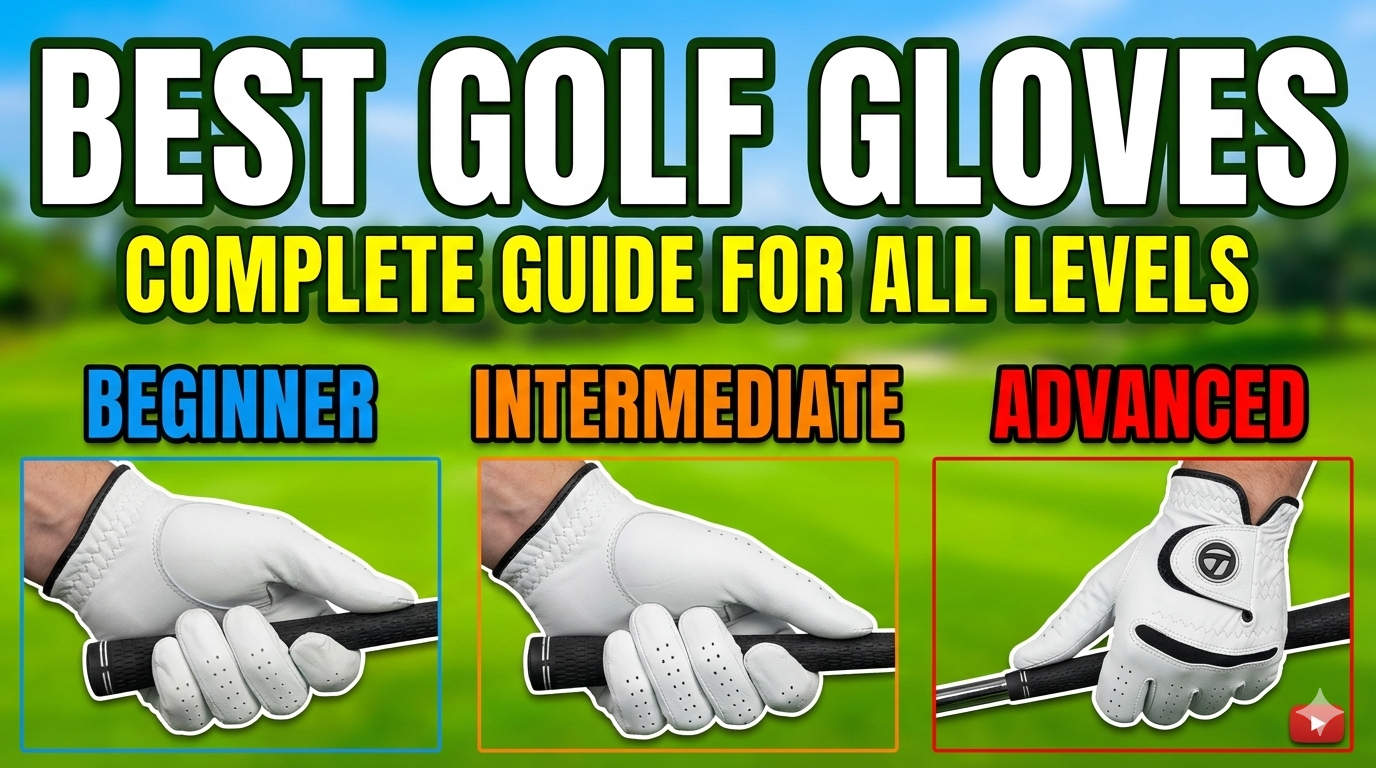
A glove should feel like a second skin without pulling your fingers into a curl. Cadet sizing is not a smaller regular glove: it changes the relationship between finger length and palm width.
This guide is designed to help you narrow the decision before you spend money. Specifications are useful, but they are starting points rather than guarantees. Your delivery, strike pattern, comfort and the way the club or accessory works in real conditions remain the final test.
Start with our golf glove buying guide if you want the broader buying framework and current product-selection criteria.
What cadet sizing actually changes
Cadet gloves are generally built with shorter fingers and a comparatively wider palm than the equivalent regular size. That proportion is the important difference. A golfer can have a medium-size hand circumference while still needing cadet-medium because the fingers are shorter relative to the palm.
The label is not a judgment about hand size or skill. It is simply a pattern. Two golfers with similar palm measurements may need different patterns because one has longer fingers. Brand patterns also vary, so treat the printed size as a starting point and repeat the fit test whenever you change brand or model.
The four-point glove fit test
- Fingertips: there should not be loose pockets of material beyond the fingers.
- Palm: the material should lie smooth when you grip a club, without a large fold crossing the palm.
- Closure: the tab should fasten securely with adjustment available on both sides.
- Motion: make several normal grips and half-swings; the glove should not restrict knuckle movement or rotate around the hand.
If a regular glove is correct through the palm but repeatedly leaves empty fingertips, move to the same nominal cadet size before sizing down. Sizing down can solve the fingertips while making the palm and closure too tight.
Fit symptoms and the likely correction
| Fit symptom | Likely cause | What to try |
|---|---|---|
| Loose fingertips with a good palm fit | Fingers are shorter relative to palm | Same nominal size in cadet |
| Closure barely reaches | Palm pattern is too narrow or size too small | Cadet pattern or one size larger |
| Material bunches across palm | Glove is too large or stretches after use | Fresh glove one size smaller |
| Seam pressure at fingertips | Fingers are too short | Regular pattern or larger size |
Leather, synthetic material and stretch
Cabretta leather usually conforms to the hand with wear, which means a new leather glove should not begin loose. Synthetic panels can provide structure and durability, while stretch zones may make a pattern more forgiving. Those material differences do not eliminate the need for correct proportions.
Humidity, rain and sweat also change fit. Rotate gloves and let them dry flat rather than leaving a damp glove compressed inside the bag. Replace a glove when the palm becomes polished, the material rotates during the swing, or holes alter the grip—even if the glove still closes.
Which hand and how many gloves to buy
A right-handed golfer normally wears the glove on the left hand; a left-handed golfer normally wears it on the right. Rain gloves are commonly sold and worn as a pair. Confirm hand orientation on every listing because product images and variation selectors can be misleading.
Buy one glove when testing a new pattern. Multipacks reduce cost only when the size and material are already proven. Record the brand, model, pattern and size after a successful round so replacement does not become another guessing exercise.
A practical decision checklist
- Write down the problem you are trying to solve before comparing products.
- Record your current specification and what happens on good and poor swings.
- Change one variable at a time so that the result is interpretable.
- Confirm model, size, hand, configuration, return window and warranty on the exact listing.
- Keep packaging until you have tested the item under normal playing conditions.
Frequently asked questions
Is cadet medium smaller than regular medium?
Not in every dimension. Cadet medium typically has shorter fingers and a wider palm proportion than regular medium, so compare the pattern rather than calling it simply smaller.
Should a new golf glove feel tight?
It should be close and smooth but should not restrict motion, distort the closure or create painful pressure at the seams.
Can women use cadet sizing?
Use whichever glove pattern fits. Labels and size ranges differ by brand, so palm and finger fit matter more than the marketing category.
How to compare two glove sizes fairly
Take a regular and cadet glove from the same brand and product line so material and construction do not confuse the comparison. Fasten each normally rather than pulling the closure as far as possible. Hold a club for several minutes, make slow rehearsal swings and note fingertip space, palm folds and whether the glove rotates. Recheck after opening and closing the hand repeatedly.
Photograph the closure position and fingertips if you need to order replacements later. Do not compare a new glove with an old glove that has stretched through sweat and wear. If neither pattern works, try another brand instead of forcing a poor size. Hand patterns differ, and a good retailer return policy is more valuable than buying a multipack before the fit is proven.
Finally, repeat the check with the grip size you actually play. An unusually large or small grip changes how the hand closes and can make a marginal glove feel different. The winning size should remain smooth through the palm, reach the end of the fingers, allow normal motion and stay stable without excessive closure tension.
How to measure before ordering online
Measure the hand at the end of the day, when it is more likely to reflect its normal playing size. Keep the hand relaxed and use a flexible tape around the widest part of the palm, excluding the thumb. Then measure from the base of the palm to the tip of the middle finger. Compare both numbers with the specific manufacturer’s chart rather than using a universal conversion, because the breakpoints between small, medium, medium-large and large vary.
The measurements narrow the options; they do not replace the fit test. If palm circumference points to medium but finger length is consistently short for that chart, cadet medium is the logical comparison. If the fingers reach the ends while the closure is pulled to its limit, the glove may be too narrow or too small through the palm. Measure both hands if there is a visible difference, and size the hand that will wear the glove.
Fit checks after the first practice session
A glove can feel correct in the store and reveal a problem after moisture and repeated gripping. Recheck it after a range session. The fingertips should still be filled, the palm should not rotate around the grip, and the closure should remain near its original position. New leather may conform slightly, but a glove that develops large folds was too loose at the start.
Inspect wear location as well. A hole in the heel pad can indicate excess pressure at the end of the grip or movement between hand and handle. Early wear in one fingertip can point to excess material or a seam being loaded incorrectly. Fit is not the only cause—grip texture, grip pressure and storage matter—but repeated wear in the same spot is useful evidence for the next purchase.
Should cadet and regular gloves cost differently?
Within the same model they are normally alternative sizes rather than different performance tiers. Compare the exact model, material and hand orientation; do not pay more simply because a marketplace listing treats cadet stock as a separate product.
Bottom line
Use the chart or comparison to reduce a long list to a sensible starting point, then verify the result with real shots and a retailer or fitter that allows an appropriate trial or return period. A specification that looks ideal on paper can still be wrong when comfort, strike location or course use is ignored.
Affiliate disclosure: Some links on Golf Buying Guide may be affiliate links. We may earn a commission from qualifying purchases at no extra cost to you. This does not change our selection criteria.
Leave a Reply