
Disclosure: Golf Buying Guide may earn a commission from qualifying purchases made through retailer links, at no extra cost to you. Product availability, specifications and prices can change.
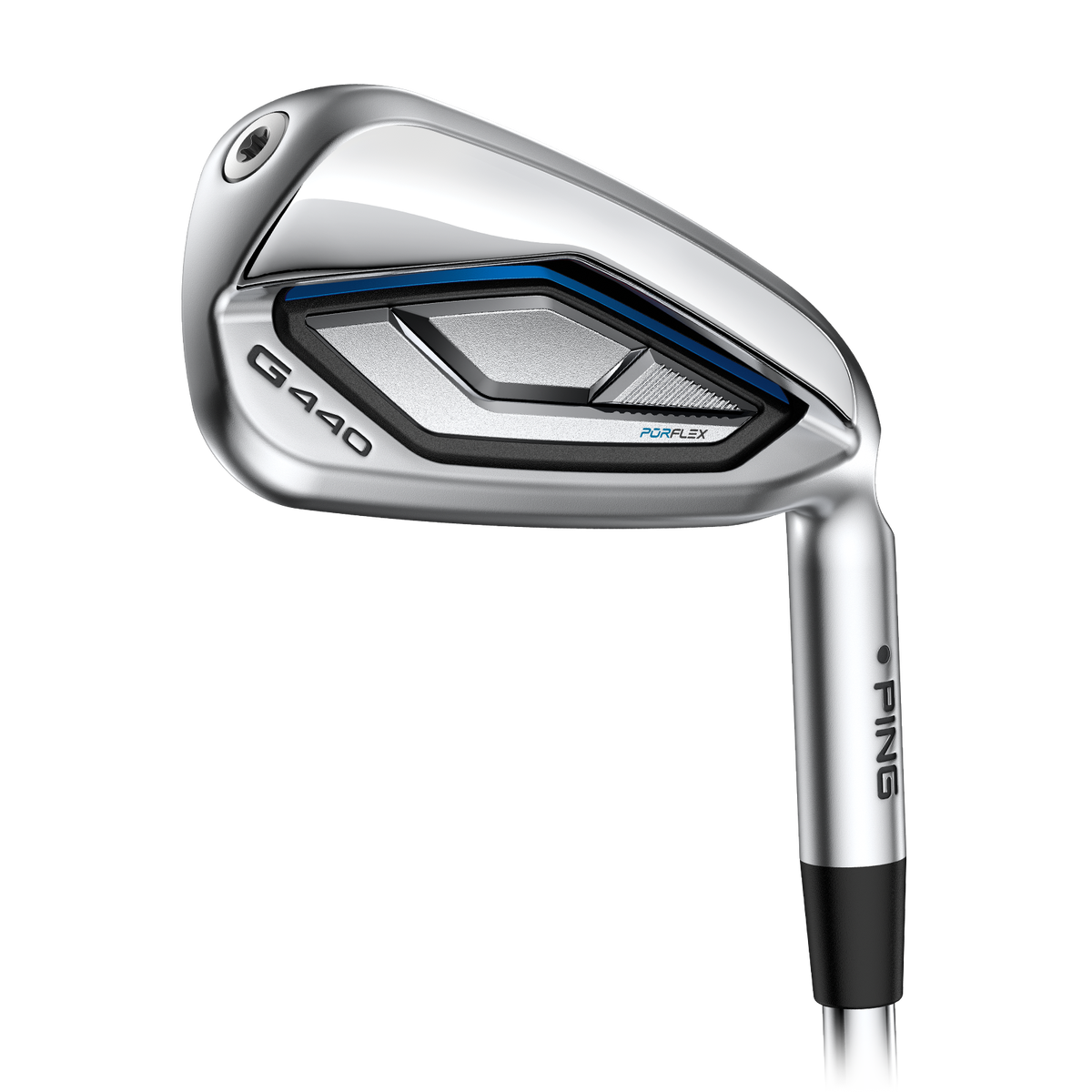
Featured image source: Official equipment reference image: PING G440 iron.
Used golf clubs can deliver excellent value when the model, specification and condition match your game. The risk is not merely cosmetic wear: altered shafts, incorrect lie angles, counterfeit heads, worn grooves and incomplete sets can turn a bargain into an expensive rebuild. This guide provides an inspection sequence that works for local and online purchases.
Quick picks
| Option | Best use | Best for | Action |
|---|---|---|---|
| Used Driver | Best high-savings category | Golfers who know the required loft, head bias and shaft profile. | View options |
| Used Iron Set | Best long-term value category | Players who can verify set makeup, length, lie and shafts. | View options |
| Used Wedges | Condition-sensitive category | Budget buyers who can inspect groove and face wear directly. | View options |
| Used Putter | Best low-wear category | Golfers who can confirm length, lie, head style and alignment preference. | View options |
How we selected these options
We organized the shortlist by the club categories most commonly purchased used and the condition checks that matter for each. Official manufacturer specification pages and serial-number support should take precedence over a seller’s description.
We prioritized fit and predictable outcomes over a single marketing number. A club or ball that helps one golfer can create the wrong launch, spin, curvature or feel for another. Use this shortlist to narrow the field, then confirm the specification, handedness, shaft, set makeup, return policy and warranty before paying.
Best high-savings category
Used Driver

Who it’s for: Golfers who know the required loft, head bias and shaft profile.
Drivers depreciate quickly, but crown damage, altered shafts and missing adapters require careful inspection.
Pros
- Large potential discount
- Many recent generations
- Adjustable heads can be verified
Cons
- Counterfeit risk
- Shaft mismatch can erase value
What to verify: Inspect crown, face, sole, adapter, shaft length and serial number.
Best long-term value category
Used Iron Set
Who it’s for: Players who can verify set makeup, length, lie and shafts.
A durable iron set can remain useful for years, but groove wear and mixed replacement clubs matter.
Pros
- Long usable life
- Specifications can often be measured
- Good prior-generation value
Cons
- Missing clubs are expensive
- Adjustments may be unknown
What to verify: Check every shaft, serial marking, ferrule, groove and club number.
Condition-sensitive category
Used Wedges
Who it’s for: Budget buyers who can inspect groove and face wear directly.
Wedges are inexpensive to ship but their scoring performance depends heavily on face condition and fit.
Pros
- Easy to test locally
- Simple loft-gap role
- Many sole choices
Cons
- Grooves wear
- Wrong bounce can be costly on course
What to verify: Inspect center-face wear, grooves, loft, bounce and sole grind.
Best low-wear category
Used Putter
Who it’s for: Golfers who can confirm length, lie, head style and alignment preference.
Putters suffer less impact wear than wedges and drivers, making condition easier to assess.
Pros
- Low-impact wear
- Easy indoor test
- Older designs remain playable
Cons
- Length may have been altered
- Headcover and weights may be missing
What to verify: Check face insert, shaft alignment, sole weights, length and headcover.
How to choose the right option
Begin with identity: exact model, year, handedness, loft, length, shaft model and flex. Photograph serial markings and compare the build with official specifications. Then inspect wear and calculate regripping, reshafting, adjustment and missing-club costs.
For online purchases, require clear photos of face, sole, crown, hosel, shaft labels, grip and serial markings. Use payment protection and a written return window. A seller who refuses specific photos or pressures immediate off-platform payment is not worth the risk.
Who should use this guide?
This guide is for golfers buying individual clubs or complete used sets. Collectors and buyers of rare tour equipment need additional provenance checks beyond this practical consumer checklist.
Common buying mistakes
- Buying from one perfect simulator shot instead of comparing typical dispersion.
- Choosing a model before confirming length, loft, lie, shaft, grip and set composition.
- Assuming “forgiving” means every golfer will launch or curve it the same way.
- Ignoring delivery, adjustment, return and warranty terms.
- Replacing equipment when a lesson, gapping check or setup change would solve the problem.
Frequently asked questions
How should I compare a new option with my current equipment?
Establish a baseline first. Use the same ball, target and warm-up, then alternate between your current equipment and the candidate instead of hitting one long block with each. Keep ordinary misses in the sample. Record carry, start direction, curvature, strike location and the width of the complete pattern. For putters and balls, add pace control and short-game results. For a service or used-equipment decision, compare the written specification and total cost in the same structured way. Stop when fatigue changes the swing and repeat the test later if the result is close.
What costs should I include beyond the advertised price?
Include fitting fees, upgraded shafts or grips, missing clubs, adjustment work, shipping, tax and likely replacement items. A cheaper option is not good value if it needs immediate rebuilding, while a new premium model is difficult to justify when a properly fitted prior generation produces the same practical outcome. Ask for an itemized specification and save the receipt, serial information and fitting sheet. Confirm who handles warranty work and whether a custom order can be changed or returned.
What should I do after buying?
Photograph the original setup, keep adjustment tools and test the equipment over several normal rounds. Track patterns rather than memorable shots. Clean and inspect it regularly, and avoid making multiple setup changes at once. If performance is poor, verify loft, lie, length, settings and gapping before replacing the item again.
How much should used clubs cost?
Compare completed sales for the exact model and condition, then subtract immediate repair costs.
How can I spot counterfeit clubs?
Use serial markings, exact graphics, weight and official specifications, but request manufacturer or authorized-retailer help when uncertain.
Are worn grooves a deal breaker?
They matter most on scoring clubs. Heavy central wear can reduce predictable spin and value.
Can used irons be fitted after purchase?
Often, but adjustment limits depend on construction and condition. Measure before assuming.
Is a used shaft label enough to verify the build?
No. Shafts can be tipped, extended, shortened or installed in a different head. Measure the complete club.
Related guides
Compare local buying options, the best time to buy clubs and our fitting checklist.
Sources and update policy
Product facts were checked against the linked manufacturer pages on August 11, 2026. Manufacturer photography is used editorially to identify the equipment and is stored locally to avoid hotlinking. We recheck models, specifications and retailer availability during scheduled content reviews.
Final decision worksheet
Before ordering, write down the problem you want the purchase to solve, your current baseline, the specification tested and the return conditions. Rank the candidates for typical performance, confidence, fit, total cost and after-sale support. Reject any option that wins only because of one exceptional shot or an unverified seller claim. If two choices remain close, select the simpler build or the one with better local service rather than paying for a feature you cannot measure.
Recheck handedness, loft, length, shaft or construction, grip, color, quantity and included accessories on the final cart page. Save a copy of the listing and order confirmation because online descriptions can change. This short worksheet makes the decision reproducible and gives a fitter or retailer useful information if the delivered product does not match the order.

Leave a Reply