
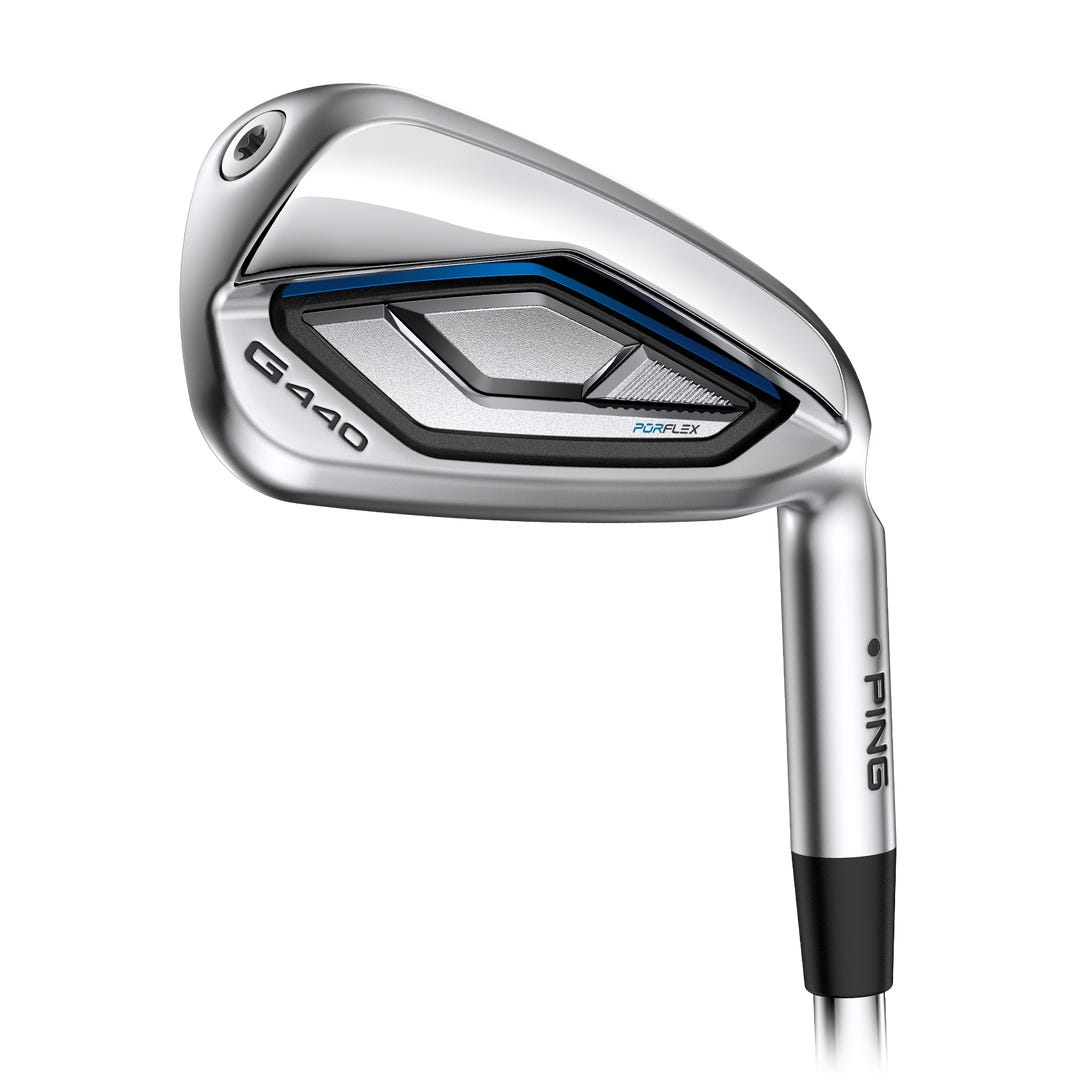
Editorial note: This guide explains fitting principles, not a universal prescription. Labels and specifications vary by manufacturer. Compare complete club builds and use measured ball flight whenever possible.
Senior flex and regular flex are broad categories, not standardized measurements. The right choice is the shaft and complete club build that helps you return the face predictably, launch the ball into a useful window and keep your normal misses manageable.
Flex is a result, not an age category
The word “senior” can make shaft selection sound demographic. It is more useful to think about how the shaft behaves within the complete club. A player in their seventies with a fast transition may control a regular or stiff profile. A younger player with moderate speed and a smooth transition may deliver a softer profile more consistently. Neither choice is a judgment about ability.
Flex labels are not standardized across brands. One company’s regular can feel similar to another company’s soft regular, and two shafts with the same printed flex may differ in weight, torque, balance point and where they are stiff or soft. This is why replacing a shaft by label alone is unreliable.
Five signals that matter more than the label
1. Typical speed, not the fastest swing
Use the speed you can repeat for a full session. A fitting based on one maximum effort can produce a club that feels demanding late in a round. Speed narrows the starting range, but it does not finish the decision.
2. Tempo and transition
A smooth backswing and gradual change of direction may work with a different profile than a short backswing and abrupt transition at the same speed. The goal is not to match a personality description; it is to find a build that preserves timing without forcing you to steer the club.
3. Launch and peak height
If two shafts produce similar speed, prefer the one that creates playable carry and descent. A higher flight is not automatically better, and a low flight is not automatically more controlled. Wind, turf firmness and the club being tested all affect the useful window.
4. Strike location
Face contact is a powerful fitting signal. A lighter or softer build that adds speed but spreads contact across the face may lose more than it gains. Use impact tape or foot spray and compare the size and position of the strike pattern.
5. Start direction and dispersion
Look at the whole pattern. A shaft that produces one long shot but alternates between left and right starts is difficult to trust. The better fit commonly makes the normal swing more predictable, even if the absolute longest shot belongs to another build.
What a softer flex may change
A softer option can change feel, timing and delivered loft. For some moderate-speed players it makes the club easier to load and helps launch. For others it may make the head feel late or encourage inconsistent face delivery. These are tendencies, not rules. Shaft weight and overall length can create a larger change than the printed flex.
When regular flex may remain the better choice
Regular flex may remain appropriate when contact, direction and flight are already stable; when the golfer has a forceful transition; or when a softer test build increases curvature and widens dispersion. Do not replace a controlled regular-flex build merely to make the equipment match an age bracket.
A repeatable way to test the choice
Begin with your current club as the baseline. Warm up normally, choose one ball model and hit to the same target. Alternate between the baseline and candidate in short blocks so fatigue or adaptation does not favor one option. Keep normal misses in the sample; deleting every poor strike creates a result that will not survive on the course.
Record carry distance, peak height, start direction, curvature, strike location and the total width of the shot pattern. Distance is useful only when the ball launches into a playable window and lands with enough control. Ten representative shots normally tell you more than one exceptional swing. If the result is close, repeat the comparison on another day or outdoors before ordering a custom specification.
Change one major variable at a time. A different head, shaft weight, flex, length and grip can all alter delivery. When everything changes together, you may know that one club performed better without learning why. Ask the fitter to write down the exact head, loft, lie, length, shaft model, shaft weight, flex, tipping and grip so the club you receive matches the club you tested.
Common mistakes to avoid
- Choosing from age, handicap or a shaft label alone.
- Comparing clubs with different lengths or lofts and crediting every change to one component.
- Using only the best shot instead of the complete dispersion pattern.
- Chasing low spin or maximum distance without checking carry and landing angle.
- Ordering a custom build before confirming return, alteration and warranty terms.
Decision checklist
- Write down the problem the change is supposed to solve.
- Establish baseline carry, height and dispersion.
- Confirm the exact specification rather than only the model name.
- Test with the same ball and a realistic target.
- Compare ordinary strikes and misses.
- Check gapping with the clubs immediately above and below it.
- Save the fitting sheet for future adjustments.
Frequently asked questions
Is senior flex only for older golfers?
No. It is a commercial label generally associated with a softer profile, but age does not determine how a golfer loads or delivers a shaft.
What swing speed needs senior flex?
There is no universal cutoff because manufacturers measure and label flex differently. Speed is a starting point; tempo, transition, release, length and head weight also matter.
Can a shaft be too soft?
Yes. Possible signs include inconsistent start direction, changing strike location, excess dynamic loft or a pattern that widens when you swing normally.
Can a shaft be too stiff?
Yes. Some golfers struggle to launch it, feel they must work too hard, or lose centered contact. Those symptoms can also come from excessive weight or length, so test the full build.
Related buying guides
Compare our best golf clubs for seniors, graphite vs steel iron shafts and club-fitting cost and checklist.
Sources and review policy
See PING’s official shaft guidance and fitting resources. Product specifications and fitting guidance were checked on August 17, 2026. We update this page when fitting guidance or linked product families change.

Leave a Reply