
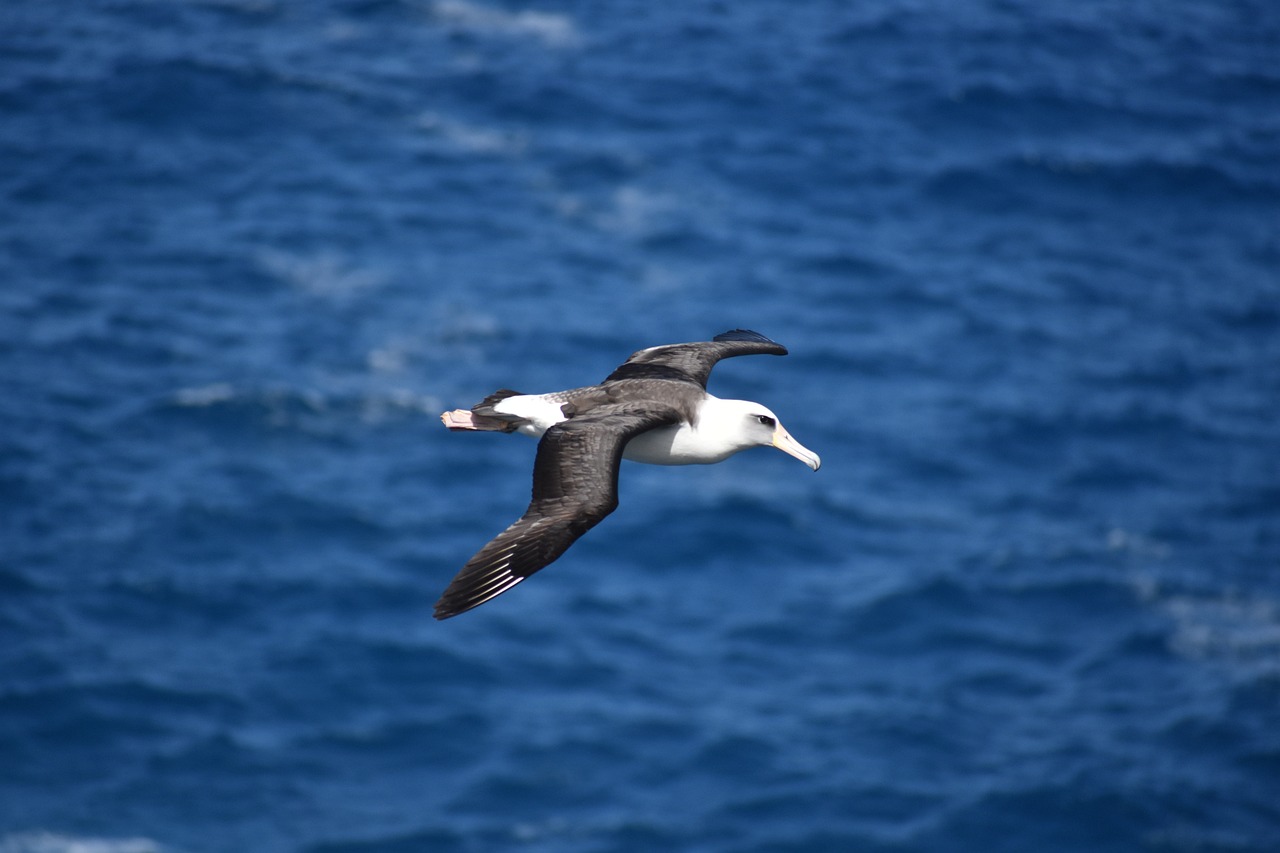
What is Albatross in golf?

In golf, an “albatross” is a rare and impressive feat that occurs when a player scores three strokes under par on a single hole. The term “albatross” is more commonly used in some countries, such as the UK, and is also known as a “double eagle” in the United States.
An albatross typically occurs on a par-5 hole when a player is able to complete the hole in just two shots, hitting the ball from the tee box and then sinking it in the hole on their second shot. This is an extremely rare occurrence and is considered to be one of the most difficult feats in golf, requiring both exceptional skill and a bit of luck.
While a hole-in-one is also a rare and impressive achievement in golf, an albatross is even more difficult to achieve due to the longer length of a typical par-5 hole. According to the Royal and Ancient Golf Club of St. Andrews, the odds of an average golfer making an albatross on a par-5 hole are about 6 million to 1.
Overall, an albatross is a rare and highly impressive achievement in golf that is celebrated by players and fans alike. It is a testament to a golfer’s exceptional skill and ability to perform at the highest level.
Can you plan for an albatross?
“Albatross” is a term used in golf to describe a particularly rare and impressive feat in which a player scores three strokes under par on a single hole. An albatross is an achievement, not an opponent to beat. Focus on the best decision for the shot rather than forcing a low-probability attempt.
That being said, if you are interested in attempting to achieve an albatross yourself, there are a few strategies you can use to increase your chances:
- Play on par-5 holes: As mentioned earlier, an albatross typically occurs on a par-5 hole, which is a hole that is designed to be completed in five strokes. By playing on these types of holes, you give yourself the opportunity to make an albatross by completing the hole in just three shots.
- Use a strong drive: In order to achieve an albatross on a par-5 hole, you’ll need to hit a strong and accurate drive off the tee. This will give you the best chance of getting your ball in position to make a second shot that will put you within striking distance of the hole.
- Choose the right club for your second shot: Depending on your position on the course and the distance to the hole, you’ll need to choose the right club for your second shot. This might be a fairway wood or a long iron, and it’s important to consider factors like wind and slope when making your choice.
- Aim for the green: Once you’ve hit your second shot, your goal should be to get your ball as close to the green as possible. This will give you the opportunity to make a putt for an albatross if you’re able to sink it in just one more shot.
Remember, an albatross is an incredibly rare feat in golf, and it’s not something that can be achieved through strategy alone. It requires a great deal of skill, luck, and precision, so the best way to “beat” an albatross is to focus on playing your best game and enjoying the sport of golf for what it is.
How an albatross appears on a scorecard
An albatross always means three strokes under the par assigned to one hole. The most familiar example is a score of 2 on a par 5. A score of 1 on a par 4 also qualifies, although drivable par 4s and holes-in-one on them are unusual. A par-3 hole cannot produce an albatross because the lowest possible score is 1, which is only two under par.
| Hole par | Score needed | What must happen |
|---|---|---|
| Par 5 | 2 | Holed second shot after the drive |
| Par 4 | 1 | Hole-in-one |
| Par 3 | Not possible | A hole-in-one is an eagle |
Albatross vs. double eagle
The two terms describe exactly the same score. “Albatross” follows the bird-name sequence of birdie and eagle and is widely used internationally. “Double eagle” is common in the United States. Neither changes how the score is recorded: write the number of strokes taken and compare it with par.
Why the shot is so rare
A player first needs a long, accurate drive that leaves a reachable approach on a par 5. The second shot must then cover fairway distance, avoid hazards, land with suitable speed and direction, and enter a hole only 4.25 inches wide. Course length, elevation, wind, firmness and the golfer’s normal carry distance all change the opportunity. Published odds vary greatly because they depend on the population and course, so a single universal probability should be treated as an estimate rather than a promise.
Should you try to make one?
For most golfers the best decision is to play the percentage shot. Attempt the green only when the carry is comfortably within your normal range, the lie is clean and the penalty for a miss is acceptable. If water, deep bunkers or out-of-bounds guard the target, laying up to a favorite wedge distance will usually produce a better expected score. Course management should not be abandoned for a rare label.
What to do if you make an albatross
- Leave the ball in the hole until playing partners can confirm the result.
- Record the hole, tees, yardage, club and date while the details are fresh.
- Ask witnesses to sign the card and check whether the club keeps an achievement register.
- Keep the ball separately and mark it without altering the scorecard.
The achievement is memorable because it combines distance, precision and favorable conditions. A better everyday goal is to improve decision-making and contact quality. New players can build those foundations with our beginner golf guide and use a rangefinder only where the rules and event conditions permit it.
Scoring examples in match and stroke play
In stroke play, record the actual score of 2 on a par 5 and include it in the total for the round. In match play, the exceptional score still counts only toward winning or halving that hole; it does not create extra holes of advantage. Handicap adjustments and maximum-hole-score procedures are separate from the name of the achievement, so submit the score according to the system and committee rules in use.
When watching tournament coverage, remember that a broadcast may use “double eagle” while an international leaderboard or report uses “albatross.” Both refer to three under par on one hole.

Leave a Reply