
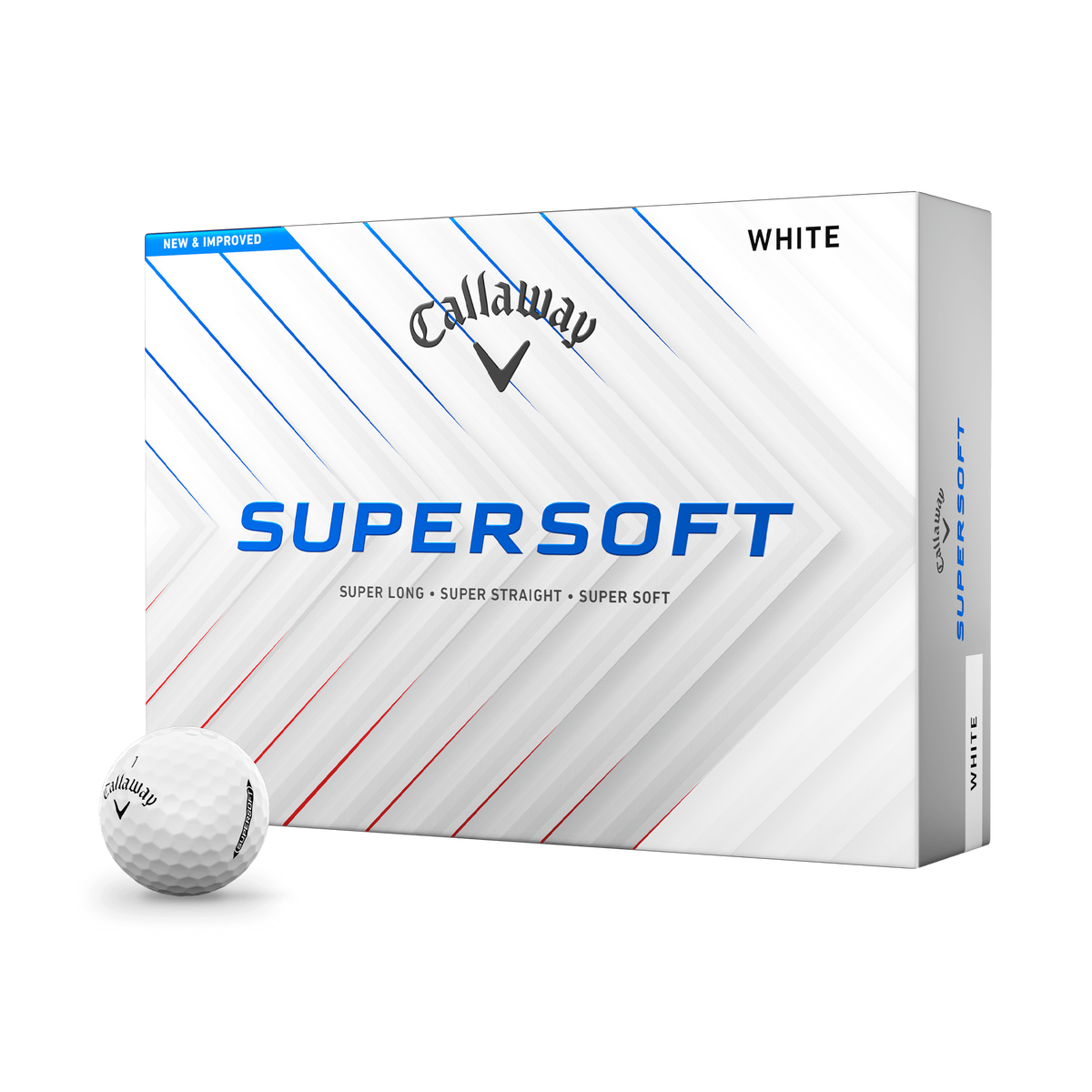
A golf balls compression chart helps you compare how easily different balls deform under a load. Use it to pick two or three balls to try. Start with a softer option if you prefer that feel, then compare what happens on an ordinary drive, a mid-iron and a pitch. The same compression number can describe balls that fly and stop differently.
A golf ball compression chart with comparable examples
The numbers below come from one manufacturer. Each refers to the model on its linked specification page. Check the exact model and generation on the box before using the table.
| Ball | Published compression | Published construction | What the comparison shows |
|---|---|---|---|
| Srixon Soft Feel Lady | 58 | Two-piece, ionomer | A softer example within the Soft Feel family |
| Srixon Soft Feel | 60 | Two-piece, ionomer | A close neighbor on paper |
| Srixon Soft Feel Brite | 60 | Two-piece, ionomer | Same listed rating with a different finish |
| Srixon Q-Star Tour | 74 | Three-piece, urethane | Both compression and cover change |
The two-point difference between 58 and 60 is a poor reason to replace a ball that works. A different finish may be more noticeable on the course. Moving from Soft Feel to Q-Star Tour changes the cover and construction as well. Any difference you see could come from more than one part of the design.
What compression measures

Compression is a rating related to how much a ball deforms under a load. Softer balls tend to deform more under the same test, but manufacturers and independent testers may use different equipment and methods. A core-only rating and a whole-ball rating describe different things. Look for the test basis before lining up numbers from separate charts.
Feel is what you notice when you hit the ball. Cover material, sound, the club and where you strike it can change that sensation. A ball that feels soft off your putter can still give you a different response on an iron shot. Our soft versus firm golf balls guide covers that decision in more detail.
Is there a compression chart by swing speed?
Swing speed can help you pick a first ball to test. It tells you little about where you strike it, how high it launches or what happens after landing. Use this table to pick a trial and record the result. The rows describe shot patterns, so you can use them without knowing your exact speed.
| What you see | Test next | What to compare |
|---|---|---|
| Your driver flight stays low | Two balls you can distinguish by feel, using the same driver setup | Typical carry and where each miss finishes |
| Your approach shots land and run through greens | An ionomer ball and a urethane ball | Carry, landing and rollout on ordinary contact |
| Your long putts often come up short | Two balls with a different impact feel | Your distance control at several lengths |
| You lose the ball against the ground or sky | Two colors of the same model | How quickly you pick it up in typical light |
If you’re looking for specific models for a slower swing, the best golf balls for seniors offers three starting choices. For a cover comparison, use our urethane versus ionomer guide. The two-piece versus three-piece guide explains the construction terms on the box.
A ball test you can run with two sleeves
Pick two balls with distinct marks so you can tell them apart. On a practice green, roll each from short and long distances. Then chip to one landing spot and check the rollout. Move to a higher pitch once you can make a reasonably consistent strike from the same lie.
On the range or a practice hole, use the same club and target and alternate models. If you have a monitor, note typical carry and peak height. Without a monitor, note whether each ball carries a visible landmark. The best one-off shot belongs in your notes, but it should carry little weight compared with what happens several times.
Start with your normal ball as a control. If neither new option gives you a better result or a feel you prefer, keep the ball you already know. If the difference is mainly on short pitches, compare how often that shot matters before paying more per dozen.
FAQ
What does a golf ball compression number mean?
It describes how a ball deforms under the test used to assign the rating. Compare balls measured by the same source and method whenever possible.
Is lower compression always better for slower swing speeds?
A softer ball is one option to try if you like the feel. Compare carry and stopping power with a second ball at the same swing speed. Your launch, strike and the design of the ball also affect the result.
Are all compression charts comparable?
Check whether they measure the full ball or the core, what method they use and which generation they tested. The same number from two unrelated charts may have different meaning.
Does compression tell me how much a ball will spin?
It doesn’t give you a spin number. The cover, core design, club, strike and conditions all affect spin. Compare actual rollout or use measured spin with the shots you want the ball to handle.