
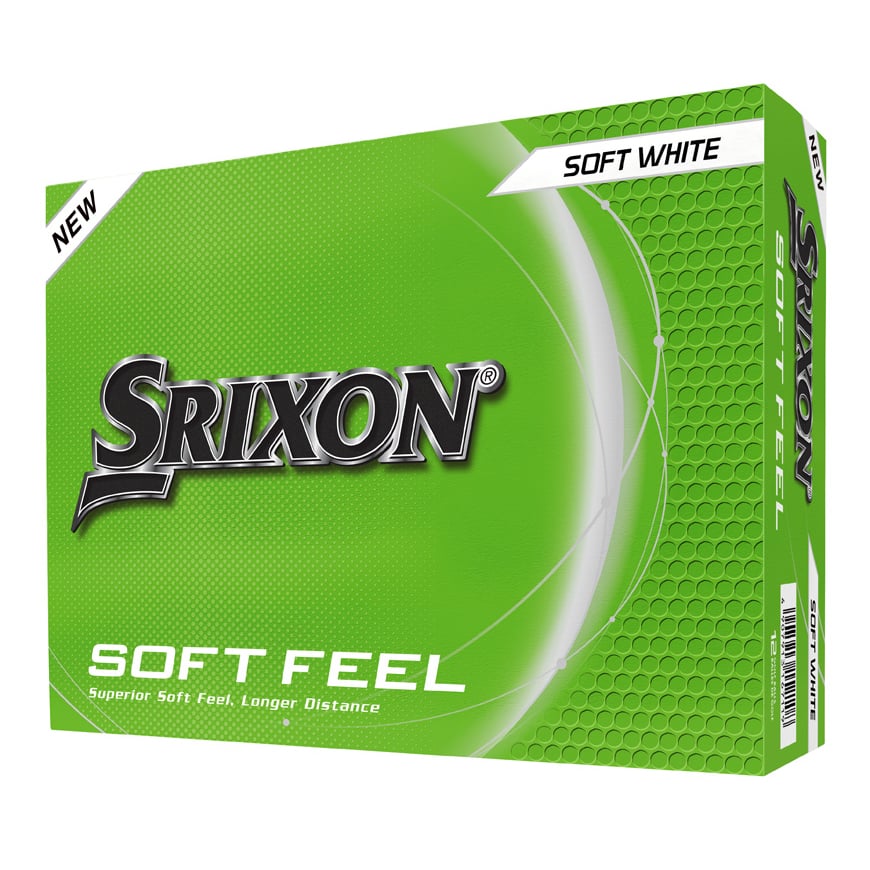
The best golf balls for seniors depend on what you want to improve. Start with Srixon Soft Feel if you want a soft, reasonably priced ball for everyday rounds. Try Callaway Supersoft if you like a very soft feel and want a high-visibility finish. Try Srixon Q-Star Tour if you need more control on short pitches and can justify the higher price. Buy a sleeve of two candidates if your shop sells them that way.
A ball has to do several jobs in one round. You may want more carry off the tee, less rollout on a short pitch and a feel you can judge on a long putt. Pick the shot that actually costs you strokes before you decide which ball to buy.
As an Amazon Associate I earn from qualifying purchases.
Three senior golf balls compared
| Ball | Construction or cover | Published compression | When to try it |
|---|---|---|---|
| Srixon Soft Feel | Two-piece, ionomer | 60, Srixon spec | You want a soft everyday option at a lower cost |
| Callaway Supersoft (2025) | Hybrid cover, HyperElastic SoftFast core | Callaway describes a low-compression core | You prefer a very soft feel or want a visible finish |
| Srixon Q-Star Tour | Three-piece, urethane | 74, Srixon spec | You want to see whether a urethane ball improves your short-shot control |
Use the Srixon numbers to compare these published Srixon models. Callaway describes Supersoft as low compression and the cited product page supplies no comparable whole-ball number. The golf ball compression chart explains how to read that distinction.
Srixon Soft Feel — An everyday starting point

Start here if you play a lot, lose a few balls and want to stay with one model from round to round. Srixon lists a two-piece design with an ionomer cover and compression of 60. The line includes white and yellow options, so you can switch colors without changing the basic model.
Give it a fair test from the fairway and around the green. If it lands where you expect but rolls too far on your normal pitch, hit the same shot with Q-Star Tour. That comparison tells you whether it’s worth paying for the cover change. If you usually chip with a lower loft and plan for rollout, the extra stopping power may matter less.
Pros: Clear specs, two useful colors and a lower listed price than Q-Star Tour. The soft feel is a good starting point if firmer balls feel sharp to you.
Trade-offs: Test it from the short rough and over a bunker before relying on it for shots that have little green to work with. A different cover can change how the ball reacts.
Search Amazon for Srixon Soft Feel Golf Balls (paid link)
Callaway Supersoft — For a softer feel or a visible finish
Supersoft belongs in the trial if you like soft feedback at impact or spend time searching for the ball in fall rough. Callaway offers the 2025 model in several finishes. Compare the exact colors available where you shop. A ball that stands out against green grass may blend in against leaves, bright sun or a pale sky.
Use your putter as well as your driver. A very soft sensation can feel pleasant, and it can also change your sense of how hard you hit a long putt. Roll a few putts uphill and downhill before deciding. That’s a better comparison than squeezing the ball or judging it from a single tee shot.
Pros: Soft impact feel is central to the design. Multiple finishes let you compare visibility on your course.
Trade-offs: The cover has a different purpose from the Q-Star Tour’s urethane cover. Check how much a low pitch releases before settling on it for firm greens.
View Callaway Supersoft 2025 Golf Balls (paid link)
Srixon Q-Star Tour — For shots that need to stop sooner
Consider Q-Star Tour if you regularly hit a decent pitch and still watch it roll past the part of the green you aimed for. Srixon lists a thin urethane cover and 74 compression for the model cited below. That makes it a useful side-by-side test against Soft Feel, especially from a clean lie where you can make consistent contact.
Start with an ordinary pitch and a chip that lands on a slope. The extra spend is easier to justify if the ball helps with a shot you see several times a round. If your typical approach already stops where you need it to, an everyday ball may be a better use of your budget.
Pros: Urethane gives you a different cover option in a moderate-feeling design. Useful if your trial shows a tighter range of rollout on good pitches.
Trade-offs: It costs more per dozen on the manufacturer listings. Buying it for short-game control makes less sense if most of your rounds are on soft greens and you regularly lose balls.
Search Amazon for Srixon Q-Star Tour Golf Balls (paid link)
Compare a ball from the green back to the tee
Begin with the shots that show the difference
On a practice green, chip both balls toward one landing spot. Alternate the balls and watch the first bounce and rollout. Then hit the pitch you use to clear a bunker or a strip of rough. Put one short and one long target on the putting green and see whether your distance control changes.
Use the same club and lie for each pair. A wet lie can change the strike and a downhill landing area can make a ball look like it always runs. Change the test when you want to answer a different question. If you’re also changing wedges, compare the ball first with a wedge you know. See our wedge roundup if your sole or loft is the bigger problem.
Test approach carry before reading too much into driver distance
Hit a normal 7-iron or hybrid toward a front edge you can see. Check whether the ball carries the edge and what it does after landing. On a course with firm greens, useful height can matter more than an extra few yards on a range. Keep a note of your strike so one unusually good swing doesn’t decide the test.
Move to driver last. Compare the flight on a typical tee shot and check which miss stays playable. You may find that two balls carry about the same for you. If so, choose on the short game, visibility or cost. The driver roundup is useful if your drive flight still changes too much from swing to swing.
Keep enough of one ball to play a full round
After the trial, take the winner out for a complete round and make a note after a few shots. Did you find it quickly in the rough? Could you judge the first putt of the day? Did the ball land short of trouble and still leave a playable next shot? It helps to answer those questions with one model before deciding whether to order more.
If you’re also changing irons, settle one variable first. Our best golf irons for seniors covers choosing an iron that lands high enough to hold a green. Test balls after you know what a good strike with that club normally does.
Make the dozen price work for your game
Compare cost per ball at the store and think about how many you go through in a normal month. If you often lose balls from the tee, start with a model you can afford to play consistently. A box you save for special rounds won’t help you learn what your usual pitch does when it lands.
Srixon’s U.S. Soft Feel listing showed $22.99 for the cited color when checked November 12, 2026. Use it as a price reference when comparing a dozen with the same number of balls. Promotions, personalized packs and bundles can make a price tag hard to compare. Check the unit count and exact model before ordering.
If you shop used, read how the seller grades the balls. A refinished ball and a simply cleaned ball are different purchases. For your first comparison, use new balls of the same model generation so wear and markings don’t confuse the test. After you choose a ball, decide whether the cost difference is worth a used batch for practice.
What if you play a different course in winter?
If greens are softer in winter, extra rollout on a summer green may matter less. Start by changing your landing spot for a few holes. If the ball still won’t do what you need on a clean pitch, compare another model. Cold, wind and wet lies can shift flight and feel, so test two balls in the same conditions.
Visibility can change with the season too. A yellow ball may stand out on green grass and be harder to spot near leaves. Before you order a dozen in a new color, take one white and one colored ball to a practice area and view both from tee-shot distance. Check the sky as well as the ground.
What to write on your scorecard
Keep three short notes during the trial: the most useful approach, the pitch you had to land close and the ball you found fastest. Include one frustrating result as well. A few observations from the shots you care about can make it easier to choose when two dozen boxes look nearly identical on the shelf.
FAQ
What is the best golf ball for seniors?
Soft Feel is a sensible first trial for a soft everyday ball. Q-Star Tour makes sense if you need a different reaction on pitches and value the urethane cover. Compare the exact ball you can buy in your preferred color and finish.
What are the best golf balls for seniors who swing slower?
Try a soft everyday option against a ball that gives you useful approach height and short-game control. Pay attention to the carry you see on ordinary swings. A compression label by itself can’t tell you which ball goes farther.
Do senior golfers need a low-compression ball?
Age gives little information about delivery or feel preference. If a soft ball feels good and performs well around the green, keep it. A player who needs more stopping power can include a firmer or urethane option in the trial.
Is yellow easier to see than white?
It depends on the light, background and your own vision. Compare the colors on your course and from the places you commonly miss. Buy the finish you can identify quickly in those conditions.
Leave a Reply