
Editorial note: This is an evidence-led buying and fitting guide. Product labels, prices and specifications can change; confirm the exact build and seller terms before purchasing.
Soft and firm describe perceived impact feel, but sound, cover, core construction and the club being used all influence that perception. Feel does not independently predict distance, driver spin or greenside control.
Feel is real, but it is not the whole fit
Golfers can prefer a softer sensation from the putter and wedges or a firmer response from the driver. Sound strongly affects that perception. A ball can feel firm from one putter insert and softer from another, so a label cannot guarantee the same experience for every player.
Performance decisions should begin with flight and spin. A ball that feels excellent but flies outside the required window or releases too far on approach shots is not the best fit. Conversely, a ball does not need to feel tour-firm to produce speed.
Compare the complete model
Short-game control
Hit chips and partial wedges to a landing zone. Record carry-to-roll and how predictable the first bounce is. Cover material and construction influence this result more directly than a generic softness claim.
Iron flight and stopping power
Compare carry, peak height and descent with a mid-iron. A useful ball reaches the intended window and creates consistent distance. More spin is not always better if it balloons; less is not always better if the ball will not stop.
Driver flight
Measure launch, spin, carry and curvature. Keep tee height and impact location consistent. A change credited to the ball may actually come from a different strike.
Putting feel and pace
Use the putter you play. Alternate balls rather than hitting one model in a large block. Track leave distance from several ranges; preference is valuable only when pace remains predictable.
Durability and value
Inspect cover marks after bunker shots and wedges. Cost per playable round can matter more than price per dozen. Never mix several models during a comparison because differences in flight can be subtle but meaningful.
A green-to-tee protocol
Start with putting and short chips, proceed to partial wedges, then full irons and driver. Eliminate a ball only when a repeatable performance problem appears. Use the same two models for several rounds before deciding, and mark them clearly so results are not confused.
A repeatable decision process
Define the problem before comparing options. Write down the current specification, the typical miss, the performance result you want and the conditions in which the equipment will be used. Without a baseline, a different feel can be mistaken for an improvement.
Compare one major variable at a time and keep the ball, target and warm-up consistent. Use ordinary swings and retain normal misses in the sample. Record the complete pattern rather than the longest shot or best result. For full-swing clubs, capture carry, peak height, start direction, curvature, strike and dispersion. For putting, record start line, pace and three-putt tendency from several distances. For golf balls, test from the green backward through wedges, irons and driver.
Confirm the exact specification in writing. Model name alone does not identify length, loft, lie, shaft, grip, set makeup, condition or prior alterations. Save photographs, serial information, receipts and fitting sheets. If the outcome is close, repeat the comparison on another day or outdoors before paying for a custom or non-returnable order.
Common mistakes
- Choosing from one label, shape or marketing category.
- Comparing only perfect strikes and deleting normal misses.
- Ignoring total cost, return rights and likely adjustment work.
- Changing several variables simultaneously and guessing which one helped.
- Buying first and planning to make an unsuitable specification fit later.
Final checklist
- Identify the performance problem.
- Record the current specification and baseline.
- Inspect or test under consistent conditions.
- Compare dispersion and carry, not only maximum distance.
- Verify authenticity, condition and seller terms.
- Save the final build specification.
Three ball-selection scenarios
You want softer feel but need more stopping power
Do not assume every soft-feeling ball spins more. Compare urethane and ionomer constructions with partial wedges and mid-irons. Measure landing behavior and carry-to-roll while keeping the landing spot constant. The winning ball must provide the required control without creating an unsuitable full-shot flight.
Your driver flight balloons
Check strike first. Low-face contact can add spin regardless of ball. Once contact is comparable, test driver launch and spin with the candidate balls, then verify that the lower-spin result still offers acceptable approach and short-game control.
You lose several balls per round
Value and visibility become performance considerations. Compare cost per playable round, color visibility and cover durability. A consistent lower-priced model can be a better choice than changing among found premium balls with different flight characteristics.
Ball test scorecard
| Shot | Measure | Why it matters |
|---|---|---|
| Short chip | Carry-to-roll | Predictability |
| Half wedge | Launch and stopping | Scoring control |
| 7-iron | Carry, height, dispersion | Approach play |
| Driver | Launch, spin, carry | Tee performance |
| 30-foot putt | Average leave | Feel and pace |
Frequently asked questions
Do slow swing speeds need soft golf balls?
Not as a universal rule. Swing speed can influence performance, but the complete ball design and the golfer’s preferred flight and spin matter more than a simple compression cutoff.
Do firm balls always go farther?
No. Distance depends on speed, launch, spin, aerodynamics and strike. Compare measured carry with the same clubs.
Are soft balls better around the green?
Some soft-feeling balls offer useful greenside control, while others use durable ionomer covers with less short-game spin. Feel and spin are separate attributes.
Can weather change ball feel?
Yes. Cold conditions can change perceived firmness and performance. Store balls reasonably and compare in the conditions you normally play.
Related guides
Compare our best golf balls for high handicappers and driver loft guide.
Sources and update policy
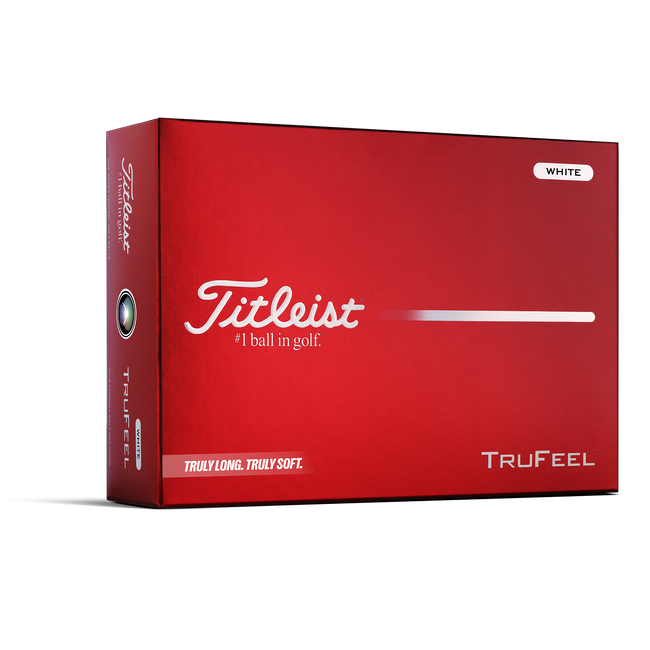
Titleist separates flight, spin and feel in ball fitting and notes that golfers perceive feel differently. Sources and linked product guidance were checked August 17, 2026. We update this guide when fitting systems, condition standards or relevant product categories change.

Leave a Reply