
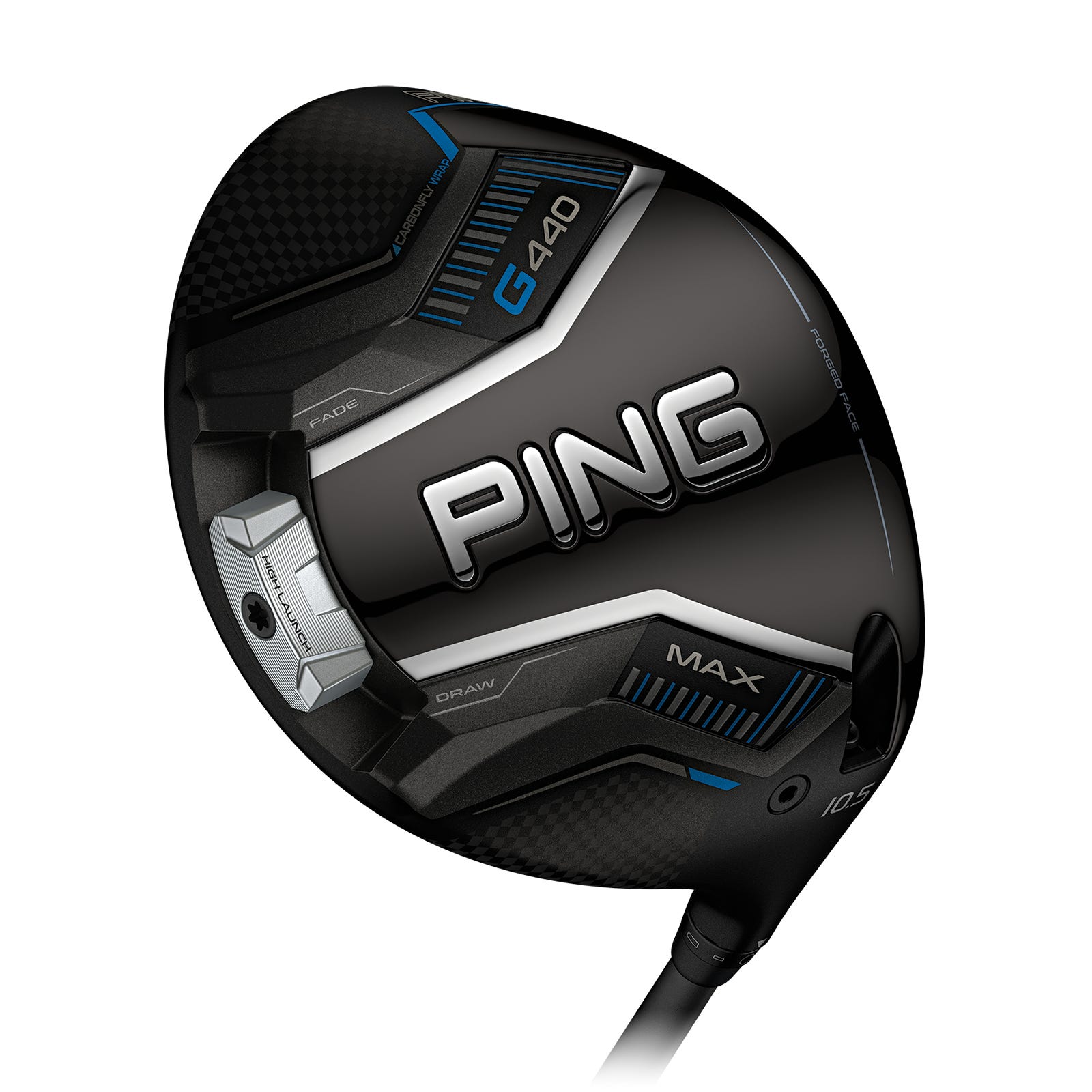
Fitting a golf driver starts with the one you already use. You warm up, hit a baseline set and compare heads, lofts, shafts and playing lengths. Leave with a build you can describe and results you can compare. If your current driver still produces the most playable pattern, that’s a useful outcome.
Before the appointment
Bring your driver and a few of the balls you play. Ask whether the fitting uses a standard ball, the ball you bring or a radar-marked version. Tell the fitter about the miss you want to reduce and the kind of tee shot you face at home. “My low heel miss can’t clear the bunker” gives the fitter something concrete to work with.
Ask how long the session takes, what it costs and whether you get the build details afterward. Some fees depend on buying a club. The club fitting cost checklist can help you compare the session fee with the cost of the club itself.
What the fitter measures
You’ll usually see ball speed, launch, spin and carry. Some systems also show club delivery and strike information. Ask to see the group of shots, including typical misses. Total distance can depend on the monitor’s ground settings, so compare carry separately if you need to clear trouble.
Try a short baseline set once you’re warm. If the monitor misses a shot or you slip, mark it. Keep the common poor strikes in the sample. Those are often the shots a different build is meant to improve.
How heads, shafts and loft get tested

The fitter may start with two heads or lofts that could improve your flight. Tell them when a club feels hard to time, even if one shot goes far. Then compare shaft weight or playing length if the head works but your strike varies. Ask which parts changed each time.
A higher stated loft can be a useful trial when you need more height. It can also change how the club sits or looks to you, depending on the sleeve setting. The driver loft guide explains how to isolate this variable. If you specifically want a lighter club, bring the driver shortlist for seniors as a set of options to test.
What to ask for at the end
Ask the fitter to recheck your current club against the best candidate. By then you’ve adjusted to the bay, and your first swings may feel different. Review the typical carry, left and right spread and short miss. Compare those results against a fairway or carry you actually face.
Get a written quote and the full build: head and loft, sleeve setting, shaft model and flex, playing length and grip. Confirm what changes if you order the stock version. A slightly different shaft or length can make the club feel different even when the head is the same.
FAQ
Do I need to bring my current driver?
Yes, if you have one. It gives you a familiar baseline and shows what an upgrade would need to improve.
Should I get a lesson or a driver fitting first?
A lesson is useful if your contact or delivery changes so much that the pattern is hard to repeat. A fitting can help when you have a recognizable miss and want a better club setup for it. Ask the fitter how they handle variable contact.
How long does a driver fitting take?
It depends on the shop. Confirm the session length and how much time is set aside for warming up and reviewing results before booking.
Can a fitter recommend keeping my driver?
Yes. Ask whether your current club can be adjusted or fitted with a different shaft. The best result may be a change to the club you already have.

Leave a Reply