
As an Amazon Associate I earn from qualifying purchases.
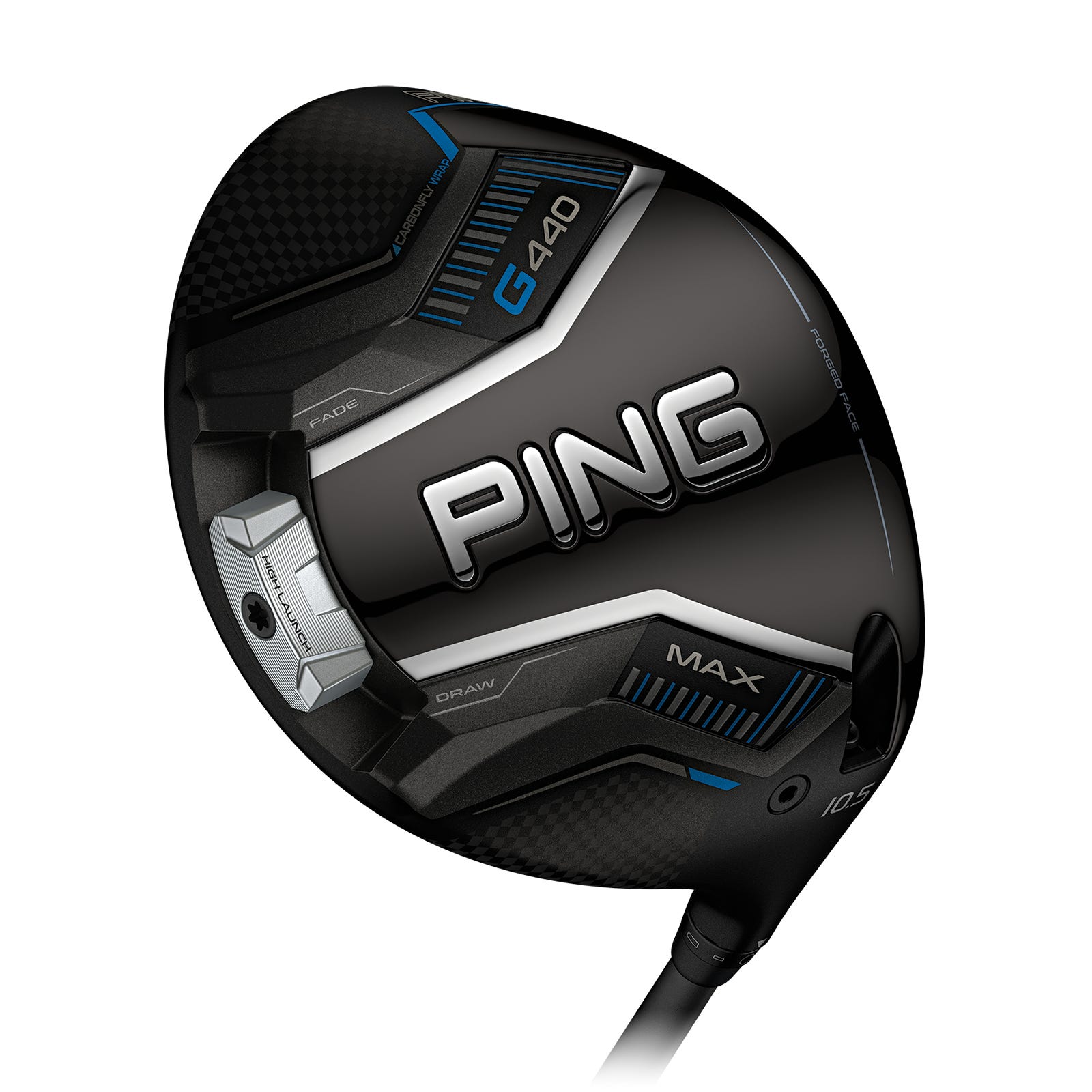
The best golf driver for seniors is the one that carries far enough on a normal swing and leaves a playable second shot. Try the PING G440 MAX HL as a light starting point if your miss changes sides, the Callaway Quantum Max Fast if you want a light build at a slightly shorter stock length, or the PING G440 SFT HL if a repeated fade or slice costs you shots. Bring your current driver for comparison.
Age gives you little information about the right loft or flex. A golfer who still finds the middle with a heavier club may gain nothing from a very light build. A golfer whose drives fall short late in the round may benefit from trying one. Look at carry and contact before deciding.
Compare golf drivers for senior players
| Build | Stated lofts | Published length | Fit to try |
|---|---|---|---|
| PING G440 MAX HL | 9°, 10.5°, 12° | 46 in | Lighter neutral starting point for a two-way miss |
| Callaway Quantum Max Fast, men’s | 10.5°, 12° | 45.75 in | Light design with a slightly shorter published build |
| PING G440 SFT HL | 9°, 10.5° | 46 in | Lighter build with draw bias for a repeated right miss by a right-hander |
Published lengths apply to the listed builds. Verify handedness and the exact configuration before ordering. Callaway’s cited U.S. men’s chart lists both lofts as right-hand only. Left-handed golfers should confirm the available loft and build with the seller.
PING G440 MAX HL — For a lighter baseline

The MAX HL is a useful first test if your current driver feels hard to move or your strike drops lower on the face late in a round. PING pairs the HL build with an ALTA Quick shaft and a lighter build than its standard MAX. Try a loft that gives you adequate height with your ordinary swing, then compare the result with the current club.
The stock 46-inch length deserves attention. If you gain speed but lose the center, compare the effect of gripping down during the fitting. If the change helps, hit a finished shorter build before ordering so you can feel the actual balance.
Pros: Three stated lofts and a light build to compare against your current driver.
Trade-offs: The stock length may be hard to control. If the light setup makes your timing worse, try more weight before giving up on the head.
Callaway Quantum Max Fast — For an alternative lightweight build

Callaway’s Quantum Max Fast offers a light configuration with a 45.75-inch published standard length for the men’s model. A quarter inch on paper is only a starting point. Test whether you make better contact with that length and shaft combination. Compare 10.5° and 12° if both are available for your hand and your regular shots launch too low.
Bring the same ball to the comparison. Watch carry over a target and where the misses end up. If the fitter changes both head and shaft, write down both so you can reproduce the result. It’s easy to remember a driver name and forget the build that made it work.
Pros: A separate lightweight design and a slightly shorter published build than the two listed PING options.
Trade-offs: Hand and loft options vary. Check the exact 12° availability and compare the stock shaft with what you hit.
PING G440 SFT HL — For a repeated slice

The SFT HL is the one to try if you want a lighter build and your right-handed drives keep curving right. Reverse the directions if you play left-handed. A draw-oriented design may help your normal flight, but check where the ball starts as well as how far it curves.
Mark your strike during the comparison. If you keep finding the heel, compare length and contact as well as the weighting. If the SFT gives you a smaller right miss but sends more solid strikes left into trouble, the MAX HL may give you a more useful pattern.
Pros: Light shaft options in a draw-oriented head. A clear comparison if a recurring fade is the main problem.
Trade-offs: Golfers who already miss left as right-handers may prefer the MAX. The SFT family’s stated lofts stop at 10.5° before sleeve adjustment.
What to measure when your swing speed has changed
Start with your current club after warming up. Track where the ball hits the face, a typical carry distance and the side that costs you shots. Alternate small sets with two candidates. Keep the normal misses in the sample. A driver that works only on your hardest swings may be a poor choice for the back nine.
If both clubs launch too low, test a higher loft while holding other variables close. If a lighter build feels fast but produces a broader pattern, compare weight and length before buying. The driver loft guide covers the first comparison. The club fitting measurements guide explains what to ask for in a session.
Pay attention to the ball when you retest. A different ball can change the flight and feel. Settle the club comparison with one ball, then try another if needed. The best golf balls for seniors lists options for that second test. If mishit stability matters more than weight, also see our drivers for high handicappers.
Keep a fitting note you can use online
Ask the fitter for the head, loft, sleeve setting, shaft, grip and finished length. If you plan to buy used, check each one against the listing. A seller may call a club “senior flex” without naming the shaft or specifying whether it was cut shorter.
If you already have a driver that flies high enough and stays in play, take the data home before buying. Compare what the candidate improved and whether you see that shot often. Fewer costly misses may justify the change even when the best drive goes the same distance.
Test the change that matches the problem
If you still strike the middle but the ball flies low, test loft first. A higher stated loft may help you carry trouble. If the mark on the face keeps moving toward the heel or toe, check length and head feel. That is a separate test. Change one thing at a time where the fitter has the equipment to do it.
If the driver feels heavy toward the end of the round, compare two shaft weights in the same head. Swing at your normal pace. A lighter option earns its place if it keeps ordinary swings playable. If you lose track of the head or hit several drives on the heel, a small change in weight or balance may help more than dropping to the lightest build.
Compare the edge of each shot pattern
Pick a carry that matters to you, such as the start of a fairway on a hole you often play. See how often the current club clears it and how often each candidate does. Then look at the worst common miss. A build that clears the target more often may still be a poor fit if it brings new trouble into play on the other side.
Ask whether your current head can produce a similar result with a sleeve or shaft change. A short follow-up test gives you a second comparison before you order. Ask for the price of the change and the full replacement build so you can see whether the improvement justifies either one.
FAQ
What is the best golf driver for seniors with slower swing speeds?
Start with a lighter build such as the G440 MAX HL or Quantum Max Fast. Compare your normal carry and strike with your current driver. If a heavier build puts more shots in play, keep it in the running.
What is the best driver for a senior golfer who slices?
Compare a draw-oriented option such as the G440 SFT HL with a neutral head. Check the start line, curve and strike location so the comparison reflects your real miss.
What loft should a senior golfer use?
Test 10.5° against 12° if solid strikes fly low or carry short. Use the result to decide. A golfer who already launches high can start with a lower stated loft and compare the pattern.
Does a senior golfer need an A-flex shaft?
Use the shaft that gives you useful contact and a predictable flight. A-flex is a fitting option for some players. Compare the actual shaft weight, flex and feel before deciding.

Leave a Reply