
As an Amazon Associate I earn from qualifying purchases.
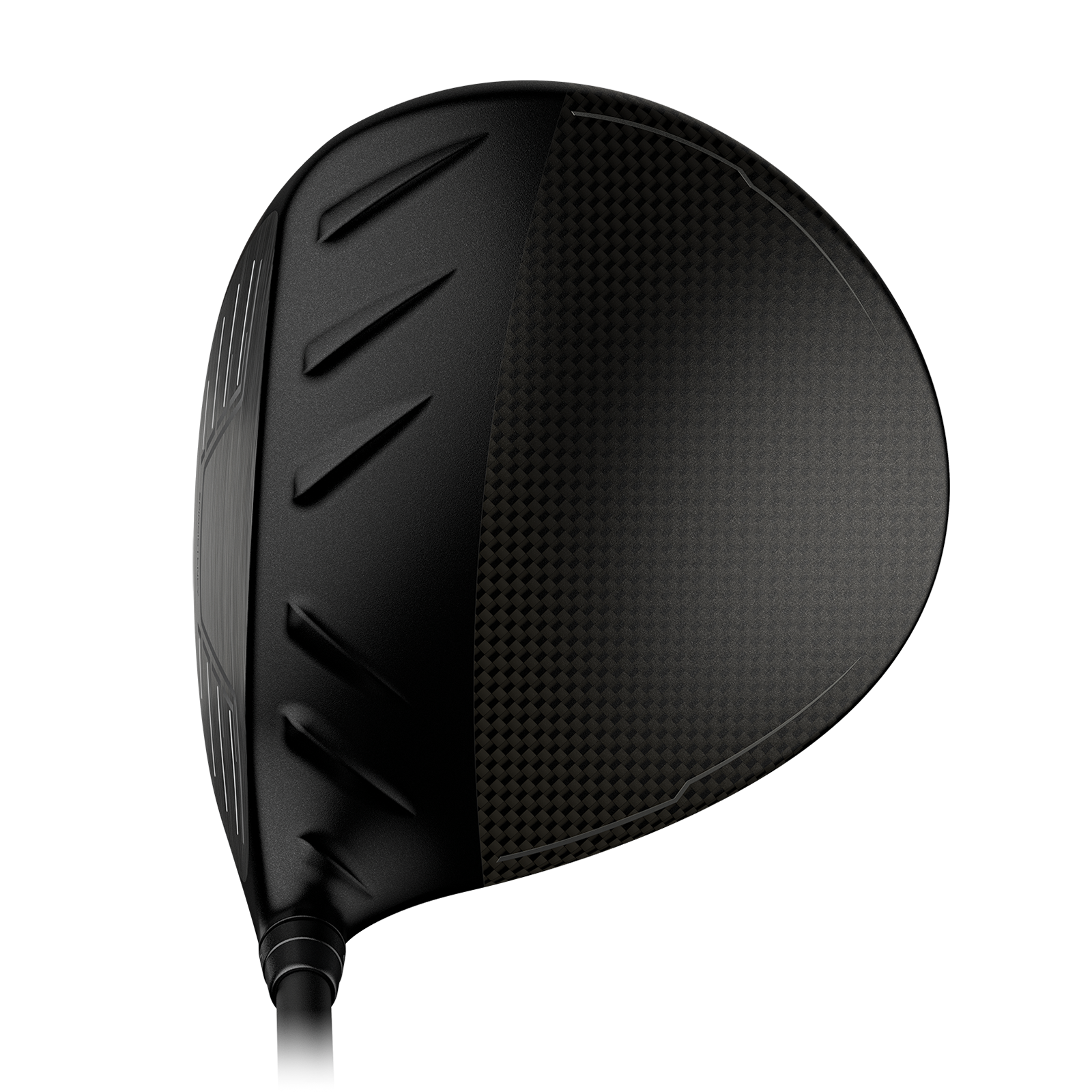
If you’re asking “What’s the best driver for a high handicapper?”, start with the PING G440 MAX in 10.5° and compare it with your current driver. The Callaway Elyte X is worth a look if your usual miss curves right as a right-handed player. The Cobra DS-ADAPT MAX-K gives you more room to tune loft and lie, especially if you can get fitted.
Your scorecard cares about the ball you can find and play. A driver that carries a little shorter and leaves you in the short grass can save more strokes than one that occasionally sends a ball past your usual landing area. These picks are based on published specs and fitting trade-offs. The Elyte X and DS-ADAPT MAX-K are prior-generation options to compare if you find a build that fits at a good price.
Three forgiving drivers at a glance
| Driver | Stated lofts | Head size | Published standard length | Start here if… |
|---|---|---|---|---|
| PING G440 MAX | 9°, 10.5°, 12° | 460 cc | 46 in with ALTA CB Blue 50 | Your strike moves across the face and your miss changes sides |
| Callaway Elyte X | 9°, 10.5°, 12° | 460 cc | 45.75 in | You regularly lose the ball to the right as a right-hander |
| Cobra DS-ADAPT MAX-K | 9°, 10.5°, 12° | 460 cc | 45.5 in in Cobra’s listed builds | You want a stable head with more fitting settings |
The manufacturer lengths describe specific builds. The shaft, grip and custom order can change the finished club, so check the details on the club you’ll actually buy. Head volume tells you how large the head is. It gives you little information on its own about how it handles a low heel strike.
PING G440 MAX — Start here for a two-way miss

The G440 MAX makes sense when your misses show up on both sides of the fairway. PING offers loft adjustment of ±1.5°, which gives a fitter room to tune flight without immediately switching heads. Compare 10.5° and 12° if your drives tend to fly low and drop early.
The important spec is the length. PING’s 46-inch standard with the ALTA CB Blue 50 gives you a longer lever, but your strike pattern might widen. Try gripping down in the fitting bay to see whether contact moves toward the center. A shorter build can change the way the head feels, so hit the final build before buying if possible.
Pros
- Three stated lofts make it easy to start a fitting with a sensible comparison.
- An adjustable hosel gives you options if the stock flight sits too high or too low.
- A useful baseline if you need help across the face and your typical curve is small.
Trade-offs
- The listed 46-inch build may make center contact harder for some players.
- A player with a consistent, large right miss may get more help from a draw-oriented head.
Search Amazon for the PING G440 MAX Driver (paid link) · View the PING G440 MAX Driver at PGA TOUR Superstore
For the lighter, faster or older club you already know, use the existing PING G440 MAX driver review and PING G430 MAX driver review to check the exact generation before shopping. A listing with “MAX” in the name can describe several different heads.
Callaway Elyte X — Try it for a recurring slice

The Elyte X is a sensible candidate if your ball starts in a playable direction and then peels away to the right as a right-hander. Callaway describes it as a high-launching, slightly draw-biased design. See how much help you get on your normal swing and whether the same setting makes your good shots move too far left.
Start with a neutral sleeve setting and use face spray before changing anything. A heel strike on a driver can add fade curvature, and an extreme heel pattern can hide what a head change is doing. If a head and shaft combination moves strike closer to center, you may get the flight you want with less correction.
Pros
- Slight draw bias makes it worth testing against a neutral head for a repeated fade or slice.
- The 45.75-inch published build is a different length to try alongside the stock PING.
- Adjustable lofts let you compare launch within the build.
Trade-offs
- Players who already miss left as right-handers may prefer a neutral head.
- Callaway lists its 12° version as right-hand only. Left-handers seeking a higher-loft head should compare other options and confirm the sleeve settings.
Search Amazon for the Callaway Elyte X Driver (paid link) · View the Callaway Elyte X Driver at PGA TOUR Superstore
Cobra DS-ADAPT MAX-K — More fitting room

Cobra’s MAX-K is the head to shortlist if you want a forgiving design and access to a fitter who knows the FutureFit33 chart. Cobra lists ±2° of loft and lie range and a 45.5-inch stock length in the spec table. Start at the neutral setting and record the exact setting that produces the best strike and useful carry.
MAX-K and MAX-D are different heads. Cobra lists MAX-D as the draw-biased model, so check which one is in the cart. If you take a demo home, keep a photo of the sleeve setting and the shaft label so the shop can reproduce your build.
Pros
- Broader stated sleeve range gives a fitter more options to test.
- The listed stock length is the shortest of these three manufacturer builds.
- The head is designed for stability on off-center hits.
Trade-offs
- The number of sleeve settings makes an unstructured range session easy to misread.
- The club you find on sale may have a shaft or hand-and-loft combination that differs from the fitting sample.
Search Amazon for the Cobra DS-ADAPT MAX-K Driver (paid link) · View the Cobra DS-ADAPT MAX-K Driver at PGA TOUR Superstore
Choose by the miss that costs you strokes
If a slice brings trouble into play
Record where the ball starts, where it curves and where it hits the face. A ball that starts right and stays right needs a different diagnosis from one that starts left and bends sharply right. Draw bias can be part of a fitting, and a lesson can give you a clearer picture if the ball flight varies from swing to swing.
Set a target window wide enough to represent the holes you actually play. A smaller right miss helps only if the corresponding left edge of your pattern still leaves a shot. Left-handed players should reverse these directions.
If the ball falls out of the air
Try a higher-loft head or setting while keeping the rest of the setup as close as possible. A low strike on the face may also create a low launch with plenty of spin, so check the strike before interpreting launch monitor numbers. Our driver loft guide gives you a test for separating contact from loft.
A driver can look long on a dry summer range because it runs. On a wet fairway or a hole with a carry over trouble, airborne distance matters more. Ask the fitter to show carry and dispersion as well as total distance.
If your contact is spread across the face
Try a shorter finished build or grip down on the demo, then check the face again. Use the same tee height, ball and target. If the shorter setup makes it easier to find the center, check how the finished club feels in your hands before ordering it.
Keep your longest shot in the session, but write down your shortest playable shot as well. If two clubs produce a similar middle shot, the one with fewer short heel strikes is usually the better bet for your next round.
A fitting test you can repeat
Bring your current driver and the ball you normally play. After you warm up, hit a short baseline set at a defined target. Mark strike with face spray or impact tape. Record carry, left-to-right spread and the miss that would cost you a penalty on a typical hole.
Alternate between two heads to reduce the chance that a warm-up effect makes the second club look better. Keep the shaft and length close when comparing heads. Once you have a head that fits, compare shaft options one change at a time. The shop’s driver shaft buying guide explains which labels to bring to that conversation.
Before you leave, repeat a few shots with your current club. A familiar setup may hold up better after you’ve adjusted to the hitting bay. If the new driver improves only the very best swings, keep looking or spend the money elsewhere. Use the club fitting cost checklist to compare fitting charges and what’s included.
Buying used or buying online
Match the exact model, loft, shaft and handedness before comparing prices. Ask for photos of the face, crown, sole and shaft label. Check that an adjustable head includes the correct sleeve or that your existing shaft uses the correct adapter.
Check the return window, especially on custom or clearance orders. If your preferred build is out of stock, a similar-looking model with a lower loft or a heavier shaft can change the result. Set a budget for the complete club, including any new grip, adapter or fitting charge.
Which differences are worth paying for?
A fitting option you will use. A sleeve with a wide adjustment range is helpful when you’re deciding between builds or your delivery has changed. Once you’ve found a stable flight, there is little value in chasing each range session with another setting. Keep a photo of the final setting and know which tool fits it.
The shaft and length you tried. A sale head with a different shaft may feel entirely different. Ask for the exact model, flex and playing length from the demo ticket. The shaft name alone can be shared by more than one weight. If you can’t match the build exactly, ask whether you can try the alternative or return it.
Enough carry on an ordinary drive. Picture a home-course hole where a bunker or wet patch cuts across the fairway. Look at how many swings clear that area with each build, then check how much room you have on either side. This is where a small change in strike can matter more than an extra few yards on the best swing.
A playable second shot. On a tight hole, decide where you want the next ball to be. A driver that misses the fairway in light rough may still do the job. A driver that brings a penalty into play on both sides gives you less room to aim. Compare the patterns against the trouble on the course, not just against an indoor center line.
Take your own comparison card
Write down your current model, loft, shaft and usual miss before you go. Leave a line for each demo build. Record the club you’d buy, the two best settings you tried, typical carry and the side that cost you most. Keep the purchase decision separate from the shot notes so you can look at the results again after the session.
If your choices are close, ask whether the shop can arrange an on-course demo. A familiar hole with the same tee and target gives you another comparison. You can also decide to keep the current driver if the alternative solves a problem you rarely have.
FAQ
What is the best driver for a high handicapper with a slice?
Start by comparing a draw-oriented option such as the Elyte X with a neutral setup. Keep the one that produces the tightest playable pattern with your usual swing. If your strike is consistently on the heel, test playing length and contact before paying for extra draw bias.
What is the most forgiving driver for a high handicapper?
The G440 MAX and DS-ADAPT MAX-K are both worth trying for mishit stability. The better option is the build that keeps your heel and toe misses closer to the usable part of the fairway while holding enough carry. The loft and shaft you test matter as much as the model name.
Is 10.5° or 12° better for a high handicap driver?
Try 10.5° as a baseline and compare 12° if you struggle to launch the ball or carry trouble. Players who already launch high with plenty of spin can start at 10.5° and let the measured flight decide.
Should a high handicapper buy a low-spin driver?
Only if a fitting shows you’re producing too much spin with good strike and the low-spin head keeps your misses playable. If you already struggle for carry, taking away spin without improving launch and contact can leave you shorter.
Leave a Reply