
As an Amazon Associate I earn from qualifying purchases.
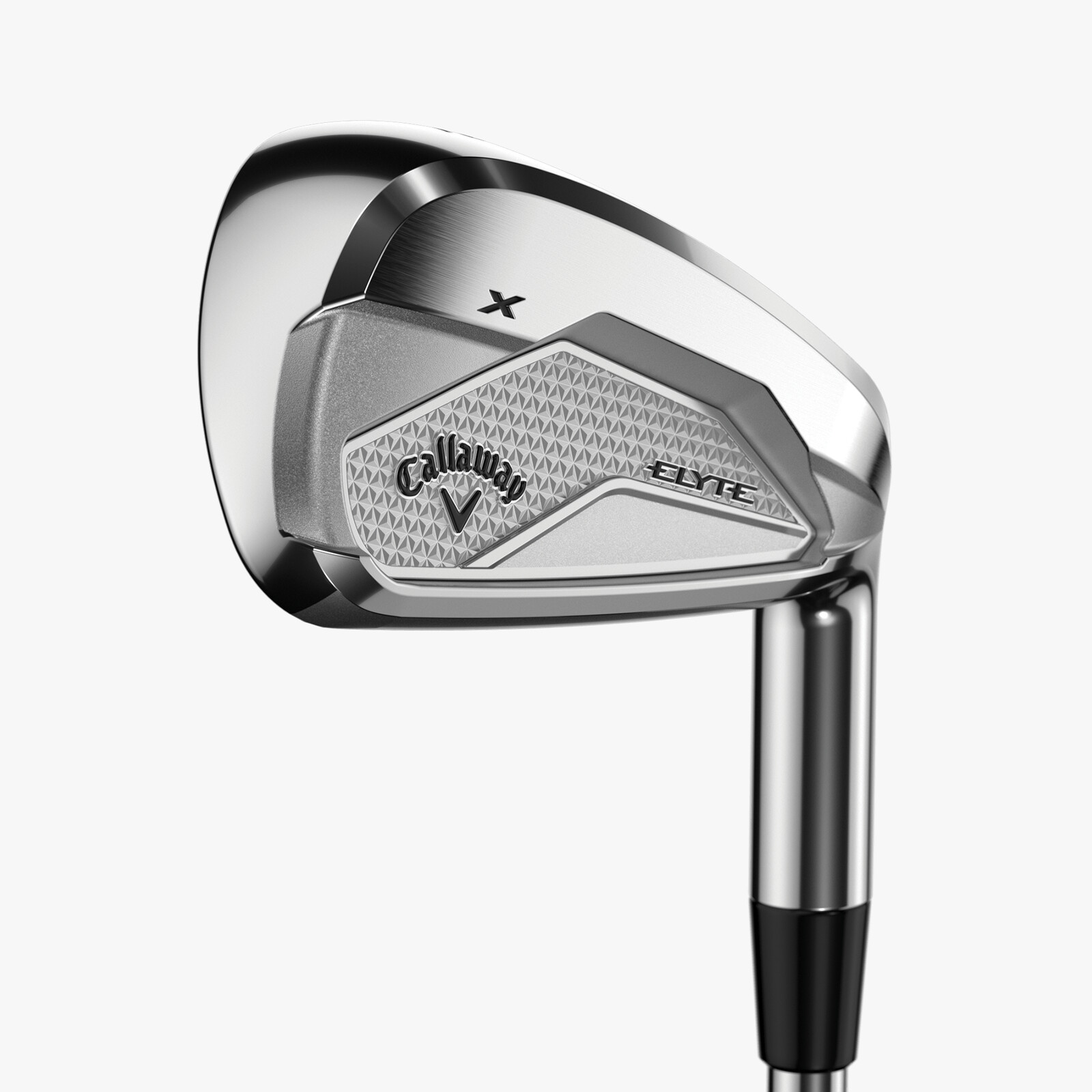
This Callaway Elyte X irons review is for golfers who want a larger head and lose useful carry when they miss the center. Put the 2025 Elyte X on your shortlist if you like visible offset and want a strong-lofted game-improvement set. Compare it with a smaller or higher-lofted iron if you already launch the ball low or tend to pull it.
The 28° 7-iron and 41° pitching wedge are the two specs to check before buying. They affect how you compare your old irons and what you’ll need at the short end of the bag.
Callaway Elyte X specs and what they mean

| Club | Stock loft | Standard length | What to test |
|---|---|---|---|
| 7-iron | 28° | 37.25 in | Carry and landing angle against your current 7-iron |
| PW | 41° | 35.75 in | Carry gap to your current next wedge |
Callaway describes the X as the larger-profile model. The published men’s chart lists right- and left-handed availability for the 7-iron and PW. Check the actual set composition and shaft in the listing. A set that ends at PW has a different price and purpose from one that includes an approach wedge.
The wider profile and offset can help some golfers feel more comfortable over the ball. See where your solid shots start. Offset is one part of how the head looks and fits, so a model with more offset deserves a comparison if you already aim or miss left.
What the 28° 7-iron changes
A 28° 7-iron may carry farther than the club it replaces. Compare the actual lofts first, then watch how each shot lands. Extra carry is useful when it clears a front bunker and stays on the green. A shot that lands flatter and runs through the back can give up the advantage.
Bring your longest iron you trust, too. If the matching Elyte X long iron launches low and lands close to the next shorter club, compare a hybrid. A set can start at 6- or 7-iron if that covers your useful carry gaps. Our pitching wedge loft and gapping guide shows how to make that decision with the actual clubs.
Check the 41° pitching wedge before ordering
Hit the stock PW and the next wedge in your current bag with the same ball. Compare full carry and the shorter shot you make when you’re between clubs. If the gap is large, try a matching approach wedge or a specialty wedge in the missing distance. The pitching wedge loft guide explains why two clubs stamped PW can cover different yardages.
Check the entire quote. A discounted set may be good value if the wedges and longest irons fit. If you have to replace two extra clubs, compare the total with a different set before deciding.
Pros and trade-offs
Pros
- Larger profile gives golfers who prefer a substantial head another option.
- Published specs make it easy to compare stock lofts and lengths before a fitting.
- Available as an alternative to more compact heads in a mid-handicap fitting.
Trade-offs
- Stronger stock lofts can leave a carry gap below the PW.
- More offset and a larger profile can feel distracting if you prefer a compact look.
- A fast-looking 7-iron result gives little information about whether you can launch the longest iron you’ll buy.
How to compare Elyte X with another set
Start with your current 7-iron and the Elyte X at the same target. Alternate small groups of shots, using the same ball. Note normal carry, the shortest ordinary miss and where the ball finishes after landing. Ask the fitter to explain which changes came from loft and which may come from the shaft, length or strike.
Use a second test from grass if you can. Hit the lie you normally get on your course and pay attention to turf contact. Finish with the longest iron and the PW. If you want alternatives, the best irons for mid handicappers compares larger and more compact builds. The cavity-back iron guide explains why head shape alone can’t predict the result.
How to read a set listing
Look for the model year and the X marking before comparing prices. Ask whether every club has the same shaft, flex and grip. If you buy used, ask about changes to loft, lie or playing length. A set can be advertised under the correct model name and still play differently from the one you hit in a fitting.
Build the order around the longest iron you can launch and the wedges you actually use. Callaway lists a 46° AW and a 50° GW in the stock chart. Compare those with the clubs you own before adding them to the order. A 46° approach wedge can be a useful next trial after the 41° PW, but verify the yardage and how it plays from the lies you face.
If your usual miss is thin and short, note how often the candidate still reaches the front of your target. If a good strike repeatedly releases through the green, ask the fitter to compare more loft. Those two outcomes can show up in the same session. Choose the setup that handles both sides of the pattern acceptably.
FAQ
Are the Callaway Elyte X irons forgiving?
Callaway designed the X with a larger profile for forgiveness. Compare your typical heel and toe strikes against your current iron to see whether that design helps your own miss.
What is the loft of the Elyte X 7-iron?
The men’s 2025 stock chart lists 28°. Confirm the actual loft if you buy a custom or used set.
Are Elyte X irons suitable for a mid handicapper?
They can be a fit if you want a larger head and get enough height to hold greens. A player who wants a smaller profile or a different sole should compare the set with another head.
Do I need the matching approach wedge?
Buy it if the 41° PW and the next club leave a carry gap you face often. Test the matching wedge and your current wedge together before ordering.

Leave a Reply